

Natural Soap vs Commercial Detergent Bars: Which to Choose
Last Updated: November 22, 2026
Quick Summary
Natural soap is made by reacting plant oils or fats with an alkali, and it typically keeps its glycerin. Commercial detergent bars use synthetic surfactants instead. Neither is better for every skin type, so the right choice depends on your skin, your water, and the ingredient list.
- Natural soap is a true soap made through saponification of fats or oils with an alkali.
- Commercial detergent bars use synthetic surfactants and often remove glycerin during manufacturing.
- Read the ingredient list rather than trusting front-of-pack words like natural or beauty bar.
- Sensitive skin often reacts to fragrance, essential oils, or certain surfactants more than to the category.
- Hard water can reduce lather, so rinse well or consider a detergent bar if lather matters most.
Table of Contents
- How do natural soap and commercial detergent bars differ?
- Comparison at a Glance: Natural Soap vs Commercial Detergent Bars
- What is natural soap made of?
- Glycerin, Manufacturing, and Skin Feel
- Natural soap for sensitive skin: what to check on the label
- Does natural soap kill bacteria, and how do bar soap and body wash compare?
- Choosing the Right Bar for Your Skin and Water
- Frequently Asked Questions
Natural soap and commercial detergent bars look alike on the shelf, but they are not the same product. Soap is made by reacting fats or oils with an alkali, a process called saponification (the FDA). Commercial detergent bars, often sold as "syndet" or beauty bars, use synthetic surfactants instead. That single difference shapes how each bar cleanses, how it feels on the skin, and what ends up in the label. At Pasaku Soap Company, we hand-pour small-batch bars and want you to choose with clear information.
How do natural soap and commercial detergent bars differ?
Natural soap is a true soap, made from plant oils and fats, while a detergent bar is built from synthetic cleansing agents. True soap cleanses through saponified fats and typically keeps its glycerin. Many commercial bars remove glycerin during manufacturing and add synthetic surfactants to produce lather. Neither is automatically better for every skin type, so the right choice depends on your skin, your water, and what you value.
Some labels blur this line. A bar marketed as "natural" can still contain synthetic ingredients, and a bar labeled "beauty bar" is often a detergent. Read the ingredient list rather than relying on front-of-pack wording.
Comparison at a Glance: Natural Soap vs Commercial Detergent Bars
The table below summarizes the main differences. Treat it as a starting point, not a verdict.
| Factor | Natural Soap | Commercial Detergent Bar |
|---|---|---|
| Base | Plant oils and fats | Synthetic surfactants |
| Glycerin | Usually retained | Often removed |
| Lather | Creamy, can be slower in hard water | Quick and abundant |
| Typical use | Daily cleansing, body and hands | Heavy-duty or fragrance-heavy cleansing |
| Fragrance and additives | Varies by maker | Often more synthetic additives |
What is natural soap made of?
Natural soap is the product of saponification: a fat or oil reacts with a strong alkali, traditionally sodium hydroxide for bar soap, to form soap molecules and glycerin (ncbi.nlm.nih.gov). The choice of fat changes the bar's hardness, lather, and how quickly it dissolves. Coconut oil contributes quick, abundant lather and a harder bar; olive oil contributes a milder, creamier lather and a slower-melting bar; shea butter and other butters add a softer, richer feel. Our bars, for example, pair shea butter and olive oil, with kaolin clay in some blends to add slip and a creamier lather.
What separates true soap from a detergent bar is the ingredient list, not the front label. Under U.S. labeling conventions, a product may be called soap when it is made from fats or oils and an alkali and is marketed for cleansing; once synthetic surfactants become the primary cleansing agent, the product is generally regulated and labeled as a synthetic detergent, often shortened to syndet. That is why a bar can carry words like "beauty bar" or "cleansing bar" and still be a detergent. The terms "natural" and "handmade" are marketing language rather than standardized regulated claims, so the ingredient list is the reliable place to check what is actually in the bar.
Read the list in order. Ingredients appear by weight, so the first few entries tell you the base. In a true soap you will typically see a fat or oil followed by sodium hydroxide or a named soap such as sodium olivate or sodium cocoate. In a syndet bar you will typically see surfactants such as sodium cocoyl isethionate, sodium lauryl sulfate, or cocamidopropyl betaine near the top. See which soap ingredients to avoid for allergies before you buy. Beyond the base, check for fragrance or parfum, essential oils, colorants, clays, exfoliants, and preservatives. A short list is not automatically gentler, and a long list is not automatically harsh, but the list tells you what to evaluate.
Watch out: a bar labeled "natural" can still contain synthetic surfactants or fragrance, and a bar labeled "organic" is not required to meet a single federal standard for the word on a soap label, so compare the actual ingredient names rather than the front-of-pack wording.
Glycerin, Manufacturing, and Skin Feel
Glycerin is a natural byproduct of saponification. Many manufacturers keep it in the bar, which helps retain moisture. Commercial bars frequently separate glycerin out, sell it for other uses, and rebuild the bar with synthetic cleansers.
Manufacturing also differs. Commercial bars are often produced faster and can be formulated for quick lather. Skin feel reflects these choices: natural soap tends to leave a softer finish, while detergent bars may feel lighter but can feel drier to some people.
Natural soap for sensitive skin: what to check on the label
Sensitive skin usually reacts to specific ingredients or to how a cleanser interacts with the skin barrier, not to the words "natural" or "commercial" on the wrapper. True soap is alkaline, typically around pH 9 to 10, while many syndet bars are formulated closer to skin's slightly acidic surface, around pH 5 to 6. For some people, the higher pH of true soap can leave skin feeling tight or dry after washing, especially with frequent use or hot water. Others tolerate it well. The practical takeaway is that "natural" does not automatically mean gentler, and "detergent" does not automatically mean harsher; the formulation and your own skin response matter more than the category.
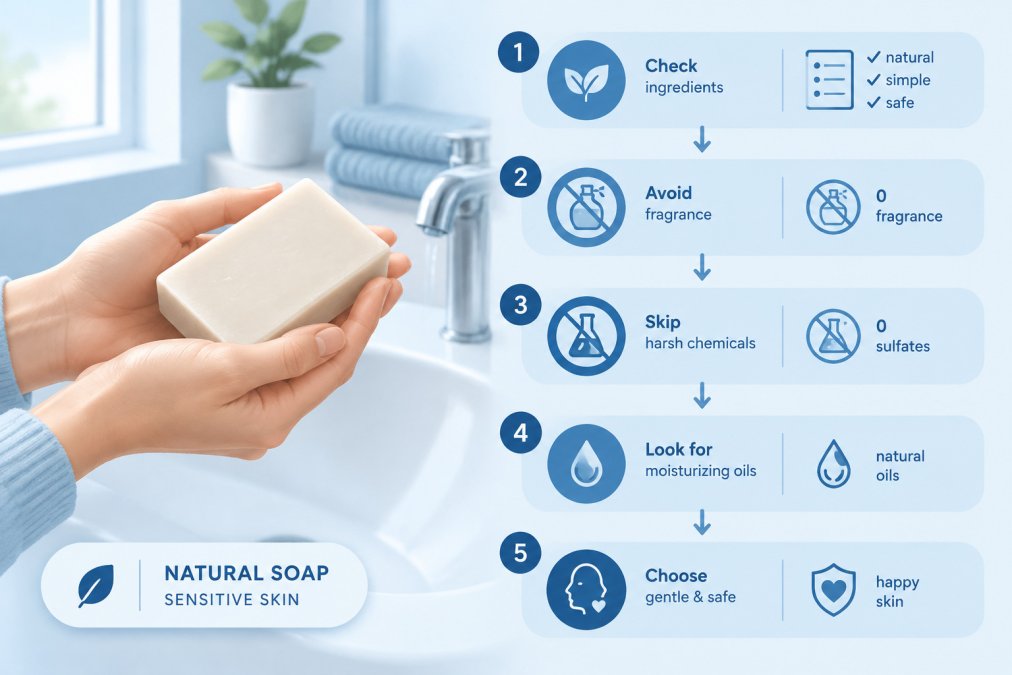
When reading a label for reactive skin, check these categories:
- Fragrance and parfum: the most common cause of cosmetic contact reactions; an unscented or fragrance-free bar is the safer starting point.
- Essential oils: natural, but concentrated plant oils such as citrus, peppermint, and tea tree can sensitize some people, so treat them like fragrance.
- Preservatives and antioxidants: look for common ones such as phenoxyethanol, methylisothiazolinone, or BHT if you have reacted before, and note which ones appear.
- Surfactants: sodium lauryl sulfate and some other surfactants are more likely to strip or sting for reactive skin; milder syndet surfactants such as sodium cocoyl isethionate are common in sensitive-skin bars.
- Exfoliants and colorants: clays, charcoal, oatmeal, and dyes can be fine for many people but may be too abrasive or irritating on thin or inflamed skin.
Use frequency and water temperature matter as much as the bar. A short, lukewarm wash with a gentle bar and a thorough rinse is usually kinder to the barrier than a long, hot shower with heavy lather, regardless of which bar you use. If your skin feels tight, stings, or flakes after washing, that is a signal to reduce frequency, lower the water temperature, or switch formulations.
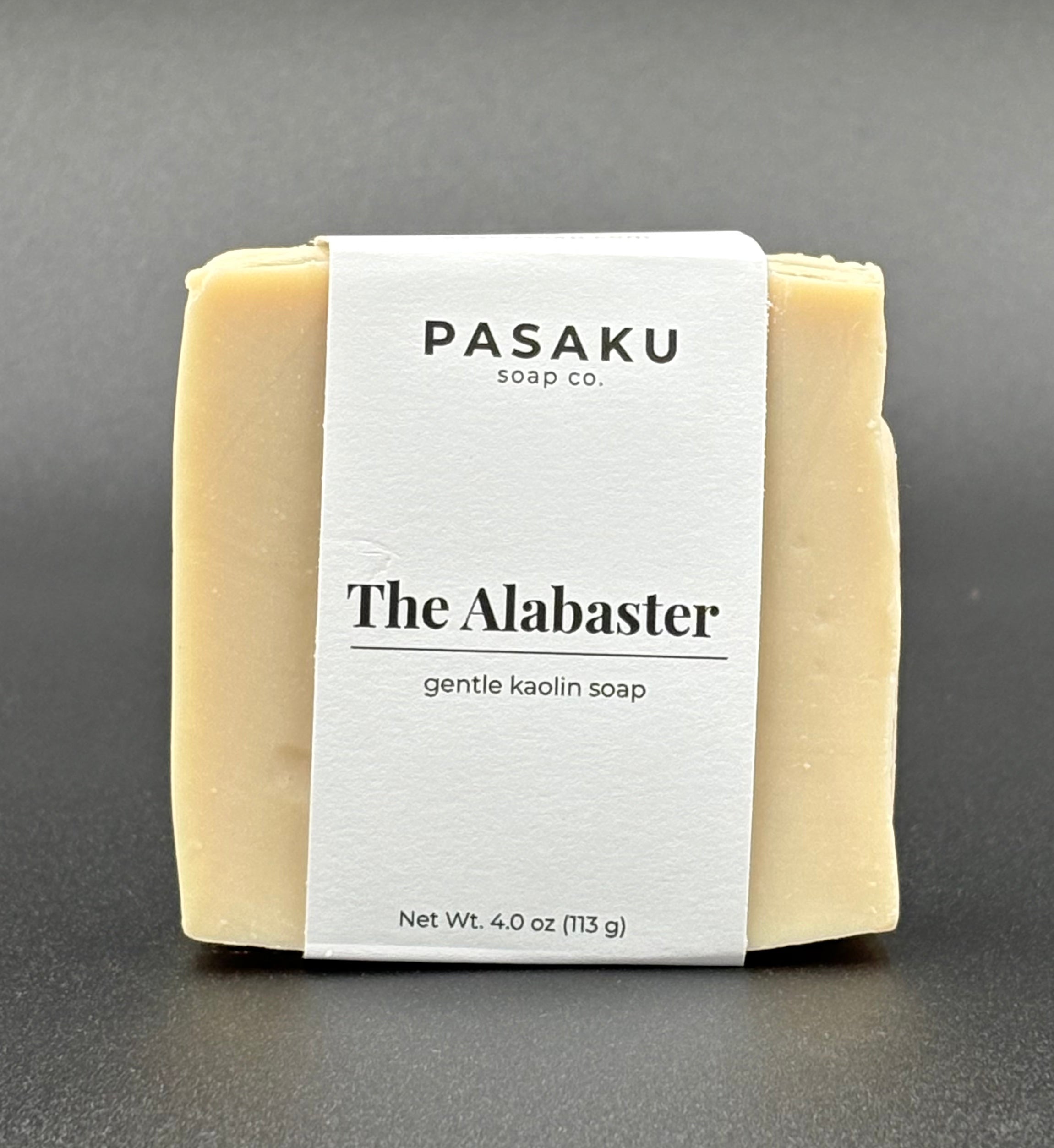
A patch test is a sensible step: wash a small area on the inner forearm for a few days before using a new bar on the face or body. Read our guide to fragrance-free soap for eczema if you are choosing a bar for that condition. Our unscented option, The Alabaster, uses shea butter, olive oil, and white kaolin clay for a mild, creamy lather, and it is fragrance-free. Browse the unscented plant-based bar to see its full ingredient list. If you have a diagnosed skin condition such as eczema or rosacea, treat any bar as one variable among many and follow the guidance of a clinician who knows your skin.
Does natural soap kill bacteria, and how do bar soap and body wash compare?
Soap removes germs mainly through mechanical rinsing and by breaking down oils that trap them. Standard soaps, including natural ones, are not regulated as antibacterial products. For routine cleansing, a well-made bar and thorough rinsing are usually enough.
Bar soap and body wash both clean well.
Choosing the Right Bar for Your Skin and Water
Hard water is a common reason people feel a bar "doesn't work." Learn why soap may not lather in hard water and how that affects your choice. Minerals in hard water react with soap and reduce lather, which can leave a film. Natural soap can struggle more than some detergent bars in very hard water, though a softer rinse and a slightly longer lather time often help.
Use this simple decision guide:
- Sensitive or reactive skin: Choose an unscented, plant-based bar with few additives.
- Dry skin: Look for a glycerin-retaining bar with shea butter or olive oil.
- Hard water: Expect less lather, rinse well, and consider a detergent bar if lather matters most.
- Gifting or daily ritual: A small-batch natural soap offers texture, scent, and a handmade feel.
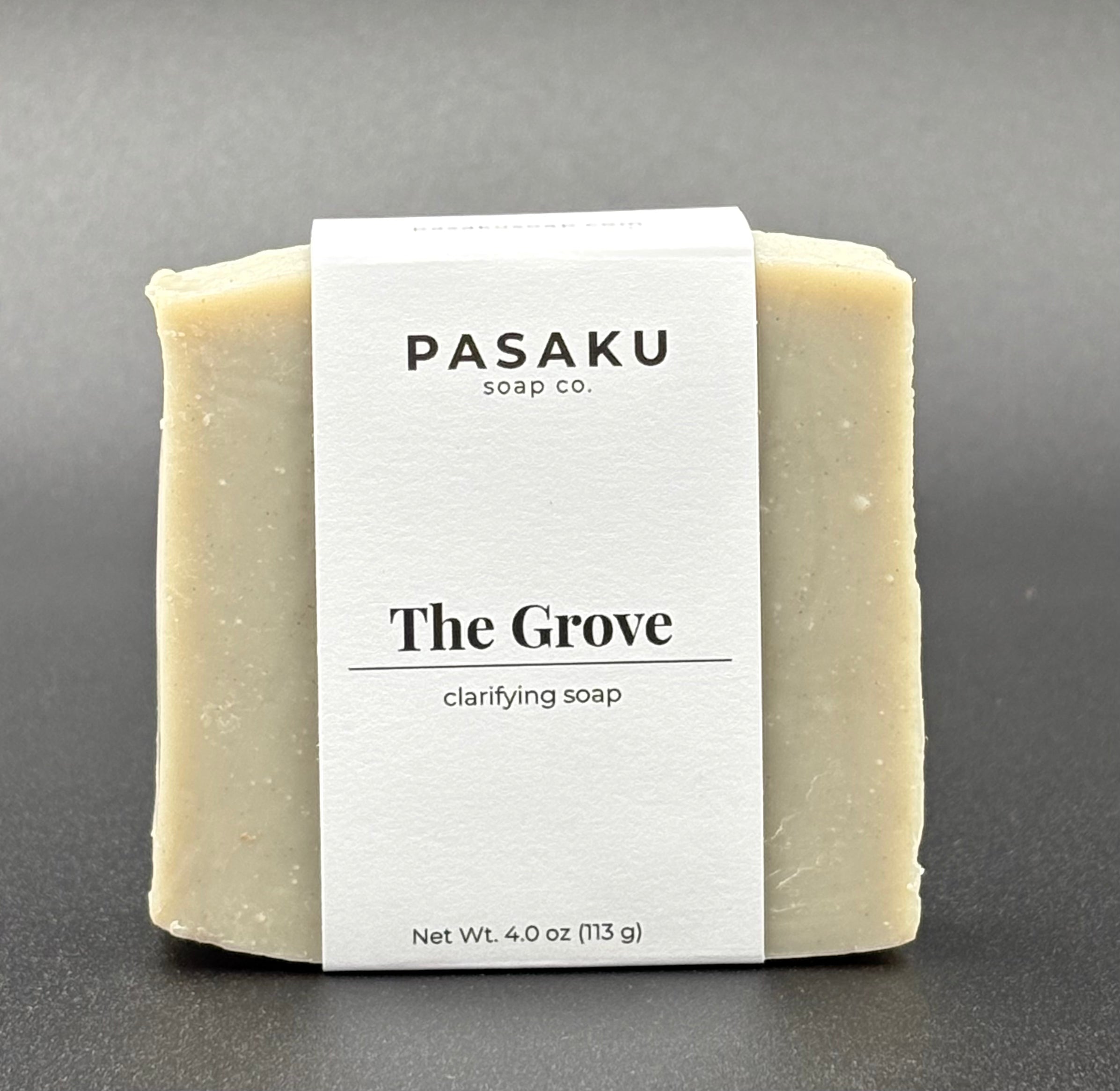
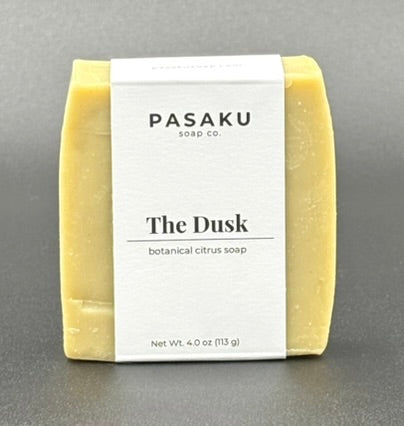
Our bars, including The Alabaster, The Grove, The Dusk, and The Ash, are priced at $9.00 each. Each one offers a different scent profile, from fragrance-free to eucalyptus-and-tea-tree to exfoliating charcoal. Start with the one that matches your skin and water, and see how your skin responds.
Ready to find your everyday bar? Explore the full Pasaku Soap Company collection and choose a natural soap that fits your skin, your water, and your routine.
Frequently Asked Questions
What is the difference between natural soap and a commercial detergent bar?
Natural soap is made by saponifying plant oils or fats with sodium hydroxide, and glycerin is usually left in the bar. Commercial detergent bars, often called syndet bars, are built from synthetic surfactants and are not technically soap. Because of this, the two behave differently on skin: synthetic bars often produce more lather and less dryness in some formulas, while natural soap keeps its glycerin and tends to feel richer but can be more alkaline. Check the ingredient list and labeling rather than relying on marketing terms like 'natural' or 'gentle' to tell them apart.
Is natural soap better for sensitive skin?
It can be, but it is not automatically gentler. Many people with sensitive skin do well with simple, fragrance-free bars that list a short set of plant oils and no added colorants. Pasaku's The Alabaster is fragrance-free and formulated with Shea Butter, Olive Oil and white Kaolin clay, priced at $9.00. Fragrance and essential oils are the most common triggers, so start with an unscented bar, patch test on the inner arm for a few days, and stop if irritation appears. Your dermatologist can advise if you have a diagnosed skin condition.
Does natural soap kill bacteria?
Traditional bar soap removes germs mechanically by lifting them off skin during lathering and rinsing, rather than killing most of them.
Which is better for dry skin: natural soap or a detergent bar?
Natural soap that retains glycerin and includes moisturizing oils often leaves skin feeling softer, while some commercial syndet bars are formulated to be less drying. The Grove, priced at $9.00, uses Shea Butter and Olive Oil with a triple-clay blend, which is designed to cleanse without stripping essential moisture, though it is a cleansing bar and not a treatment for dryness. If your skin feels tight after washing, try a lower-frequency routine and follow with a moisturizer.
