

Why Does Handmade Soap Leave a Residue?
Last Updated: October 26, 2026
Quick Summary
Why does handmade soap leave a residue comes down to soap chemistry, water hardness, and mineral content. Hard water causes calcium and magnesium to react with fatty acids in soap, creating insoluble salts that form a film on your skin. Choosing a handmade soap formulated for hard water and rinsing thoroughly can minimize this residue.
- Hard water with high mineral content is the biggest culprit behind soap residue on skin.
- Saturated fatty acids like lauric acid create richer lather but leave more residue in hard water.
- A chelating body wash used as a final rinse can grab mineral ions and carry them away.
- Water hardness test kits are inexpensive and show exactly what minerals are in your water.
- Proper soap storage with air circulation extends bar life and prevents waterlogged, mushy bars.
Table of Contents
- What Causes Handmade Soap to Leave a Residue
- Hard Water Soap Scum and Mineral Deposits
- How to Prevent Soap Scum on Your Skin
- Handmade Soap vs Commercial Body Wash: Residue Differences
- How to Store Handmade Soap Between Uses
- Distinguishing Skin Residue from Actual Soap Scum
- Finding the Right Handmade Soap for Your Skin
- Frequently Asked Questions
What Causes Handmade Soap to Leave a Residue
At Pasaku Soap Company, we've learned that understanding why does handmade soap leave a residue helps customers choose the right soap for their water type and skin. The issue isn't always the soap itself, it's often the combination of soap chemistry, water hardness, and how much product you're using.
Fatty Acid Salts and Mineral Reactions
The type of fatty acids matters. Some handmade soaps use more saturated fatty acids like lauric acid. These create a richer lather but can leave more residue in hard water. Other formulations use unsaturated oils that rinse cleaner.
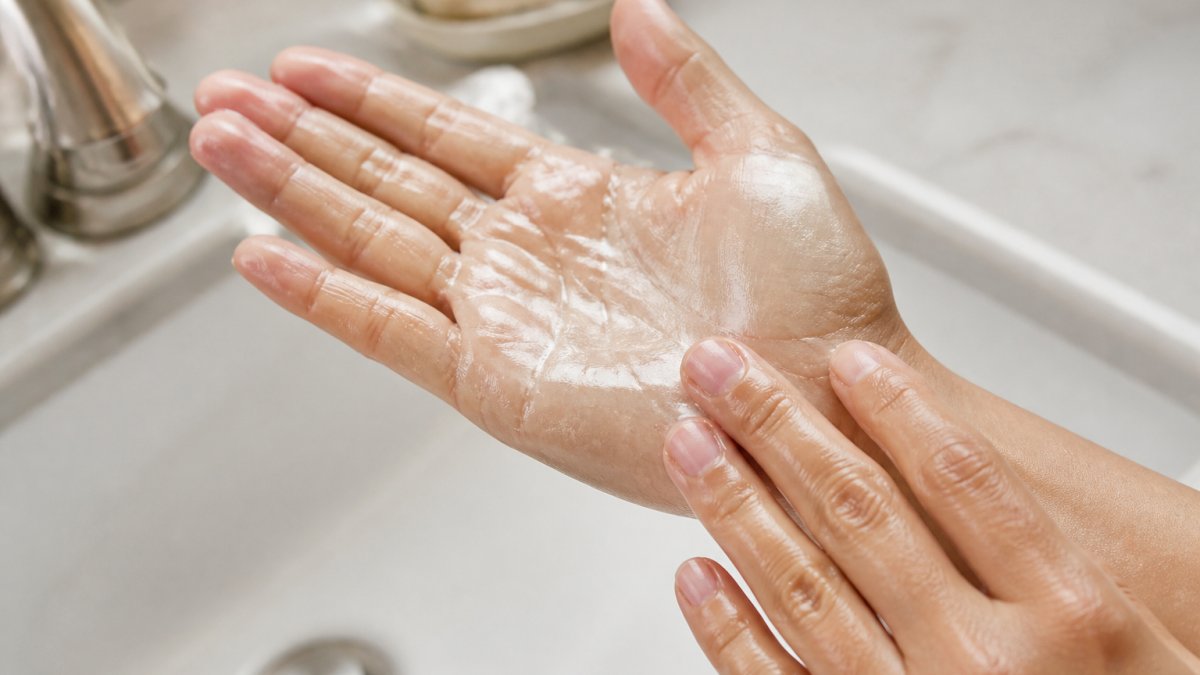
Superfat and Excess Oils in the Formulation
A well-formulated handmade soap balances moisturizing oils with clean rinsing. This is where small-batch craftsmanship matters. Soapmakers who understand water chemistry can adjust their formulas to minimize residue while keeping the skin-nourishing benefits.
Hard Water Soap Scum and Mineral Deposits
Hard water is the biggest culprit behind soap residue on skin (Hardness of Water). If you live in an area with hard water, you've probably noticed soap scum in your shower or bathtub. The same chemistry creates residue on your skin.
How Calcium and Magnesium Create Insoluble Salts
The more minerals in your water, the more residue you'll experience. If your water is very hard, even premium handmade soaps will leave a noticeable film. This isn't a sign of poor-quality soap, it's basic chemistry.
Diagnosing Hard Water Residue vs. Soap Buildup
To test your water hardness, you can purchase a water hardness test kit. These are inexpensive and show you exactly what you're dealing with. Knowing your water type helps you choose soaps formulated to work in hard water conditions.
How to Prevent Soap Scum on Your Skin
The goal is to minimize the chemical reaction between soap and hard water minerals. You can't change your water, but you can change how you use soap.
Rinsing Thoroughly and Using Chelators
Another option is a chelating body wash used after your soap. These contain ingredients that grab onto mineral ions and carry them away (ncbi.nlm.nih.gov). Use this as a final rinse step.
Choosing Soaps Formulated for Hard Water
Learn about Pasaku's cold-process method and ingredient choices(page:3)
Handmade Soap vs Commercial Body Wash: Residue Differences
The difference between handmade soap and commercial body wash comes down to chemistry and design intent.
Why Synthetic Detergents Leave Less Film
The trade-off is that detergents can be harsher on sensitive skin. They strip more oils because they're more aggressive. Many people prefer handmade soap for this reason, it's gentler, even if it leaves more residue in hard water.
When Handmade Soap Is the Better Choice
The key is matching the soap to your situation. Hard water + sensitive skin = choose a handmade soap formulated for hard water. Soft water + any skin type = any quality handmade soap works well. Hard water + preference for zero residue = body wash might be the better choice.
The Alabaster | Unscented Plant-Based Artisan Soap →
Handmade soap and commercial body wash perform differently depending on your water type and skin needs.
| Situation | Best Choice | Reason |
|---|---|---|
| Hard water + sensitive skin | Handmade soap formulated for hard water | Gentler on skin despite residue |
| Soft water + any skin type | Any quality handmade soap | Works well without residue issues |
| Hard water + preference for zero residue | Commercial body wash | Synthetic detergents leave less film |
How to Store Handmade Soap Between Uses
How you store your soap affects how long it lasts and how much residue it leaves. Proper storage prevents the bar from getting waterlogged and mushy.
Air Circulation and Drainage to Extend Bar Life
Place your soap in a location with good air flow. A shelf away from the shower spray is ideal. If you keep soap in the shower, use a ceramic dish with deep ridges that elevates the bar and allows water to drain underneath.

Protecting Your Investment in Artisan Soap
A proper soap dish isn't just functional, it's part of caring for your soap. Think of it the same way you'd care for any premium product. The right storage setup pays for itself by extending your soap's life.
Distinguishing Skin Residue from Actual Soap Scum
Not every film on your skin after washing is soap residue. Sometimes it's something else entirely.
The Difference Between Film and Buildup
Sometimes what feels like residue is actually your skin adjusting to a new soap. Natural soaps feel different from commercial products. Your skin might feel less "squeaky clean" because handmade soap doesn't strip as much. This isn't residue, it's your skin being healthier.
When to Switch Soaps or Adjust Your Routine
If residue persists after trying these fixes, your soap formula might not work for your water. Switch to a soap designed for hard water. Browse Pasaku's collection to find options formulated for your specific needs and water type.
If you have extremely reactive skin, explore our fragrance-free options to see if sensitivity to added scents is part of the problem.
Finding the Right Handmade Soap for Your Skin
Test a soap for at least two weeks before deciding. Your skin needs time to adjust. Rinse thoroughly and use the storage tips above. Most people find that the right handmade soap becomes their favorite once they dial in their routine.
Frequently Asked Questions
Why does handmade soap leave a residue on my skin?
Handmade soap leaves residue because of how its fatty acid salts interact with water and minerals on your skin. Cold-process handmade soaps contain natural oils that don't fully dissolve in water, especially in hard water areas. The residue can also come from superfat, extra oils added during formulation to keep skin moisturized. This film is usually harmless, but thorough rinsing and proper water chemistry help minimize it.
Does hard water make handmade soap leave more residue?
Yes. Hard water contains calcium and magnesium ions that react with soap's fatty acid salts to form insoluble compounds, essentially soap scum on your skin. This mineral buildup is more noticeable with handmade soap than with synthetic detergents. If you live in a hard water area, look for soaps formulated with chelators, rinse with a vinegar rinse, or install a water softener to reduce the visible film and improve lather.
How can I tell if the residue is from hard water or the soap itself?
Hard water residue feels gritty, chalky, or waxy and doesn't fully rinse away with more water. Soap residue from excess oils feels slippery or sticky and usually rinses away with thorough rinsing. To test, try rinsing with distilled water or a weak vinegar solution; if the film disappears, hard water minerals are the culprit. If it remains, the soap's formulation or your rinsing technique may need adjustment.
Is handmade soap worse than commercial body wash for leaving residue?
Handmade soap can leave more noticeable residue than synthetic body washes because natural soaps are made from fatty acids that don't dissolve as easily in hard water. However, handmade soap offers benefits like better skin conditioning and fewer synthetic chemicals. The residue issue is manageable with proper rinsing, the right formulation, and water conditions. Many people find the skin benefits of handmade soap worth the extra care.
Finding the right handmade soap means understanding your water and your skin. Hard water creates challenges that soft water doesn't. But those challenges are solvable with the right approach. Choose a soap formulated for your situation, rinse thoroughly, and store it properly. When everything aligns, handmade soap delivers the gentle cleansing and skin nourishment that makes it worth the extra care. Start with Pasaku's collection and find the soap that works for your unique needs.
