

Which Natural Remedies Actually Soothe Itchy Skin?
Quick Summary
Cooling the skin, moisturizing with a fragrance-free barrier cream, and taking short lukewarm baths are the most reliable ways to soothe itchy skin. Removing irritants like harsh soaps, fragrances, and scratchy fabrics also helps most people feel relief.
- Hold a cool, damp washcloth on the itchy area for 5 to 10 minutes, repeating as needed.
- Apply a fragrance-free moisturizer within a few minutes of bathing, while skin is still damp.
- Soak in a lukewarm bath with colloidal oatmeal for 10 to 15 minutes, not longer.
- Patch test any new product on the inner forearm for 24 to 48 hours before using it widely.
- See a doctor if itch lasts more than two weeks, keeps you awake, or spreads across the body.
Table of Contents
- 1. Cool the Skin With a Cold Compress or Cool Bath
- 2. Moisturize With a Fragrance-Free Barrier Cream
- 3. Use a Colloidal Oatmeal Bath or Gentle Soap
- 4. Try a Cool Wet Wrap Before Bed
- 5. Remove Allergens and Irritants From Your Routine
- Red Flags, Special Populations and When to See a Doctor
- Building a Simple Skin-Barrier Routine You Can Keep Up
- Frequently Asked Questions
Why Your Skin Itches and What Usually Triggers It
Itchy skin is one of the most common complaints people bring to a doctor, and when it happens to soothe itchy skin, the fix still depends on understanding the cause, since it is rarely caused by one single thing. Dry air, harsh soap, a new laundry detergent, or a wool sweater can each set off the urge to scratch. Knowing the likely cause makes it much easier to pick a remedy that actually works.
Itch, or pruritus, often starts when the skin barrier becomes dry, thin, or inflamed. Once that barrier is disrupted, irritants and allergens get through more easily, and the nerve endings in the skin send out itch signals. Common triggers include:
- Dry winter air or low indoor humidity
- Hot showers and long baths
- Fragrances and dyes in soaps, lotions, and detergents
- Wool, synthetic fabrics, and tight clothing
- Contact irritants such as cleaning products or plants
- Insect bites, hives, or contact dermatitis
Many people find that their itch gets worse at night. Warmth, lying still, and fewer distractions all make the urge more noticeable. Keeping track of when the itch flares and what you were using or wearing can point you to the right fix.
1. Cool the Skin With a Cold Compress or Cool Bath
Cooling is often the fastest way to soothe itchy skin. A cold, damp cloth pressed gently on the area slows nerve signals that cause the urge to scratch.
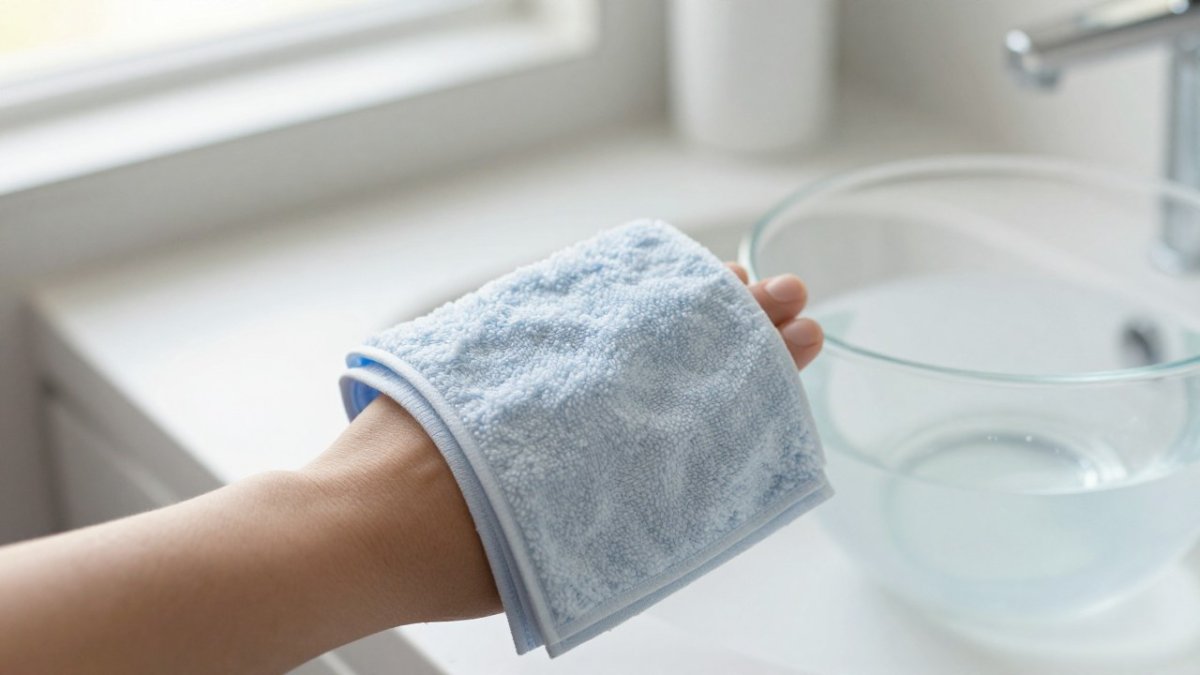
To try it:
- Soak a clean washcloth in cool water and wring it out.
- Hold it on the itchy area for 5 to 10 minutes.
- Repeat as needed through the day.
A cool bath works the same way. Keep the water comfortably cool or lukewarm, not hot, and limit your soak to about 10 to 15 minutes. Hot water tends to strip natural oils and can make dryness and itch worse. Gently pat your skin dry afterward instead of rubbing.
Watch out: Ice pressed directly on the skin can cause frostbite or further irritation. Always wrap ice in a thin towel and keep it moving.
2. Moisturize With a Fragrance-Free Barrier Cream
Dry skin itches more easily, so a daily moisturizer is one of the most reliable home remedies. Look for a fragrance-free cream or ointment that contains ingredients like petrolatum, ceramides, or colloidal oatmeal. These help rebuild the skin barrier so it holds water better.
Apply moisturizer within a few minutes of bathing, while the skin is still slightly damp. This locks in hydration. Thick creams and ointments usually work better than thin lotions for very dry or itchy skin.
Running a humidifier in your bedroom during dry months can also help your skin stay hydrated overnight.
3. Use a Colloidal Oatmeal Bath or Gentle Soap
Colloidal oatmeal is a common ingredient in many bath soaks and skin products.
How to use it well:
- Draw a lukewarm bath, comfortably cool to the touch, not hot, and keep the water depth modest.
- Add colloidal oatmeal according to the package directions. A common ratio is about one cup of colloidal oatmeal per full standard tub, but follow the label because concentrations vary.
- Stir until the water looks milky and the powder is fully dispersed, not clumped.
- Soak for 10 to 15 minutes. Longer soaks tend to dry the skin rather than help it.
- Pat dry gently and apply a fragrance-free moisturizer within a few minutes while the skin is still damp.
A few practical notes. Colloidal oatmeal is not the same as breakfast oatmeal. Rolling oats ground in a blender at home are coarser and can clog a drain or leave grit that irritates sensitive skin, so a commercially milled colloidal product is usually the better choice. If you have a known oat allergy or celiac disease with skin sensitivity, patch test first: apply a small amount to the inner forearm and wait 24 to 48 hours before a full bath.
Watch out: Oatmeal baths can make the tub slippery. Use a bath mat and help children or older adults in and out.
Choosing a gentle cleanser matters just as much as the soak. Harsh soaps with strong fragrances, sulfates, or antibacterial agents can strip the skin barrier and trigger more itching. To compare other options, see best natural soaps for sensitive skin. A fragrance-free, plant-based bar is often a better everyday choice for sensitive skin. For example, our [product: The Alabaster | Unscented Plant-Based Artisan Soap] is made without added fragrance, and a [article: Best Natural Soap for Sensitive Skin] can help you compare other gentle options.
Use lukewarm water, lather gently, and rinse well. Skipping the scrub step, no loofahs, no washcloths rubbed hard, helps protect irritated skin. If a cleanser stings or leaves skin tight after rinsing, that is a sign it is too harsh for daily use on itchy skin.
Here is a quick reference for the bath and cleanser steps covered in this section.
| Step | Detail | Time |
|---|---|---|
| Draw bath | Lukewarm, comfortably cool to the touch | Modest depth |
| Add colloidal oatmeal | Follow package directions; about one cup per full tub | Stir until milky |
| Soak | Avoid hot water and long soaks | 10 to 15 minutes |
| Dry and moisturize | Pat dry, apply fragrance-free moisturizer | Within a few minutes |
| Patch test | Inner forearm before a full bath | 24 to 48 hours |
4. Try a Cool Wet Wrap Before Bed
Some people use a wet wrap as a nighttime routine to keep moisture in the skin.
A common method looks like this:
- After a bath or shower, apply a thick moisturizer to the itchy area.
- Soak a cotton layer in cool water, wring it out, and wrap it loosely over the skin.
- Cover with a dry layer of clothing or pajamas.
- Leave the wrap on for several hours or overnight, then remove it.
Wraps should feel comfortable, never tight, and should not be used on broken or infected skin. If the area looks worse in the morning, stop and talk to a healthcare professional.
5. Remove Allergens and Irritants From Your Routine
Sometimes the best remedy is taking something away. Irritant and allergic contact dermatitis are among the most common causes of persistent itch, and the fix is often subtraction rather than addition. The trick is knowing which exposures to target, because the trigger shapes which remedy works.
A simple way to match the likely trigger to the fix:
- Dry, tight, flaky itch that worsens in winter or after long hot showers points to a barrier problem. Focus on lukewarm water, a fragrance-free moisturizer, and a humidifier.
- Itch with redness, heat, or a prickling sensation after sun, exercise, or a hot room points to heat. Cooling compresses and breathable clothing help more than creams.
- Itchy bumps in a line or cluster, often after time outdoors, point to insect bites. Wash the area, cool it, and resist scratching to avoid infection.
- Itch that appears where a product touches the skin, a new detergent, lotion, soap, or jewelry, points to contact irritation or allergy. Stop the product and patch test before reintroducing anything.
Start with the products touching your skin every day:
- Switch to fragrance-free soap, detergent, and lotion. "Unscented" and "fragrance-free" are not identical labels; fragrance-free is the safer choice for reactive skin.
- Rinse laundry twice to remove extra detergent, and skip fabric softener and dryer sheets, which leave residue on fabric.
- Choose soft, breathable cotton clothing over wool or scratchy fabrics, and wash new clothes before wearing them.
- Wear gloves for cleaning, gardening, or dishwashing. Rubber gloves with a cotton liner reduce sweat and friction.
- Keep your nails short to reduce skin damage from scratching.
Try a patch test before using a new product. Apply a small amount to a small area of skin, such as the inner forearm, and wait 24 to 48 hours. This simple step can save you from weeks of irritation.
Be cautious with popular DIY ingredients. Patch test every new ingredient, and stop immediately if burning, stinging, or spreading redness develops.
Watch out: If a rash spreads beyond where a product was applied, or you develop swelling, hives, or trouble breathing, stop all new products and seek medical care, that pattern can signal a true allergy rather than simple irritation.
Red Flags, Special Populations and When to See a Doctor
Most mild itch improves with simple home care. However, some signs need medical attention. See a doctor if your itch lasts more than two weeks, keeps you awake, or does not respond to home care. Seek care sooner if you notice:
- Rash that spreads, blisters, or looks infected
- Yellowing of the skin or eyes
- Swelling of the face, lips, or throat
- Unexplained weight loss or fatigue along with itch
- Itch that spreads across the whole body
Some groups need extra care. Infants, older adults, pregnant people, and people with eczema, diabetes, or kidney disease should check with a clinician before trying new remedies. Medicated creams and oral antihistamines should only be used as directed.
Building a Simple Skin-Barrier Routine You Can Keep Up
Consistency matters more than trying everything at once. A simple daily routine might look like this:
- Take a short, lukewarm shower with a fragrance-free soap.
- Pat skin dry and apply moisturizer within three minutes.
- Use a humidifier at night during dry months.
- Wear breathable clothing and reduce known irritants.
- Use a cool compress or wet wrap if itch flares.
Give each change at least one to two weeks before judging whether it helps. If you have questions about your skin, our team at Pasaku Soap Company is always happy to help you choose gentle, fragrance-free options that fit your routine.
Frequently Asked Questions
What stops itching fast?
A cool compress applied to the itchy area for 10 to 15 minutes is a simple way to cool the skin. Pair it with a fragrance-free moisturizer once the skin is dry again. If itching is intense, persistent, or paired with a rash, hives or swelling, an over-the-counter antihistamine or hydrocortisone cream may help, but check with a pharmacist or doctor first, especially for children, pregnant people or anyone with other health conditions.
Can fragrance-free soap help with eczema-prone skin?
Choose a gentle, plant-based bar with few ingredients, such as The Alabaster from Pasaku Soap Company at $9.00, which is unscented and formulated with shea butter, olive oil and kaolin clay. Use lukewarm water, pat the skin dry, and follow with a moisturizer while the skin is still slightly damp. Soap alone does not treat eczema, so keep using your prescribed treatment if you have one.
When should I see a doctor about itchy skin?
See a doctor if itching lasts more than two weeks, disrupts sleep, spreads, or comes with fever, yellowing of the skin or eyes, unexplained weight loss, open sores, or signs of infection such as warmth, pus or swelling. Itching without a visible rash can also signal conditions such as thyroid or kidney problems, so it is worth getting checked. A dermatologist or primary care provider can identify the cause and recommend treatments that go beyond home remedies.
What home remedy can I use to stop itching?
Cooling the skin and moisturizing it are simple home steps. Apply a cold compress, take a lukewarm colloidal oatmeal bath, and seal in moisture with a fragrance-free cream within a few minutes of bathing. Avoid scratching, which can damage the skin barrier and make itch worse. Remedies such as aloe vera, chamomile or apple cider vinegar are popular, but they can irritate broken or sensitive skin, so patch test a small area first and stop if redness or burning develops.
