

Is Cold Pressed Oil Better for Skin? What to Know
Last Updated: November 11, 2026
Quick Summary
Cold pressed oil is often better for skin because it keeps more vitamin E and antioxidants than refined oil, but it is not automatically gentler. Freshness, the specific oil, and your skin type matter just as much as the pressing method.
- Cold pressing keeps more vitamin E and polyphenols than refined oil.
- Cold pressed oils spoil faster, so buy small quantities and store them away from heat and light.
- Jojoba is commonly tolerated and suits oily, combination, and acne-prone skin.
- Coconut oil has a comedogenic rating of 4, so it can clog pores on the face.
- Patch test one new oil at a time and read the site at 15 minutes, 24 hours, and 48 hours.
Table of Contents
- What Cold Pressed Oil Is and How It Differs From Refined Oil
- How Cold Pressed Oil Benefits Skin: Fatty Acids, Vitamin E and Antioxidants
- Comparing Common Oils for Skin: Jojoba, Coconut, Argan and Rosehip
- Cold-Pressed Coconut Oil for Skin: Where It Helps and Where It Clogs
- Best Cold Pressed Oil for Face by Skin Type
- Comedogenic Ratings, Oxidation and Rancidity: The Downsides Nobody Lists
- How to Patch Test a New Oil and Choose a Trial Option From Pasaku
- Frequently Asked Questions
Pasaku Soap Company hand-pours small-batch soaps, and we get asked one question more than any other: is cold pressed oil better for skin? The short answer is that it depends on the oil, the skin, and how the oil has been stored. Cold pressing keeps more of the oil's natural compounds intact, but it does not make an oil automatically gentler or safer on your face. Below, we break down what the process actually changes and which oils suit which skin types.
What Cold Pressed Oil Is and How It Differs From Refined Oil
Cold pressed oil is oil extracted by mechanically crushing or pressing seeds, nuts, or fruit at low temperatures, typically without added heat or chemical solvents. Refined oil is processed with heat, bleaching, deodorizing, and sometimes solvents to remove color, odor, and impurities, which also strips away some of the naturally occurring vitamins and antioxidants.
In practice, that difference shows up in three places. Cold pressed oils usually smell and look closer to the original plant. They tend to retain more vitamin E and polyphenols. And they are typically less stable, because the compounds that protect the oil from spoiling are the same ones that heat and refining remove.
Cold pressing is not a guarantee of purity. Some producers press at moderate heat, and "cold pressed" is not a regulated term in the United States, so read the label and ask where the oil was sourced.
How Cold Pressed Oil Benefits Skin: Fatty Acids, Vitamin E and Antioxidants
Most plant oils share a core profile of fatty acids, such as linoleic acid, that help support the skin's moisture barrier. Vitamin E and polyphenols act as antioxidants, helping counter oxidative stress from sun and pollution. Cold pressing tends to preserve more of these antioxidants, which is the main reason it is marketed as the better option.
The benefit is real but modest. An oil that keeps its vitamin E will not reverse aging or fix a damaged barrier on its own. Think of it as a moisturizing layer that happens to carry more protective compounds, not as a treatment.
Two practical points matter more than the pressing method. First, freshness: an oil that has gone rancid can irritate skin and loses its antioxidants, so buy in small quantities and store it away from heat and light. Second, how the oil suits your skin type, which we cover below.
Comparing Common Oils for Skin: Jojoba, Coconut, Argan and Rosehip
The best oil depends on what you need it to do. Here is how the common options compare for skin use:
| Oil | Texture | Typical Best Use | Common Concern |
|---|---|---|---|
| Jojoba | Light, close to skin's own sebum | Oily, combination, acne-prone skin | Generally low pore-clogging risk |
| Coconut | Rich, solid at cool room temperature | Dry body skin, cleansing | High comedogenic rating; can clog pores on the face |
| Argan | Light to medium | Dry skin, finishing oil | Costlier; quality varies widely |
| Rosehip | Light, dries quickly | Dry or mature skin, evening routines | Can oxidize fast if stored poorly |
Pros and cons at a glance:
- Jojoba: Pro, lightweight and well tolerated by many people. Con, it is a wax ester rather than a true oil, so it works more as a surface layer.
- Coconut: Pro, inexpensive and effective on body skin. Con, it is one of the more pore-clogging oils for facial use.
- Argan: Pro, pleasant feel and useful for dry patches. Con, price and authenticity vary, so buy from a verified source.
- Rosehip: Pro, rich in fatty acids that suit dry skin. Con, it spoils quickly if exposed to light and air.
Cold-Pressed Coconut Oil for Skin: Where It Helps and Where It Clogs
Cold-pressed coconut oil is a popular choice, and it works well on dry elbows, heels, and body skin. It is also cleanly made and easy to find. The problem is the face. Coconut oil carries a high comedogenic rating, meaning it has a strong tendency to block pores in many people. If you are prone to breakouts, a heavy coconut layer on your face can cause them.
It can still earn a place in your routine if you use it deliberately. Apply it to the body, use it as a short-contact cleanser on dry areas, or reserve it for skin that does not break out. Rinse thoroughly if you use it on the face at all.
Best Cold Pressed Oil for Face by Skin Type
Matching the oil to your skin type avoids most of the trouble people run into.

Oily or acne-prone skin: Choose lightweight options like jojoba or a light squalane-style oil. Use a few drops at night only.
Dry skin: Rosehip and argan are good choices. Layer a small amount over a moisturizer to lock in hydration.
Sensitive skin: Start with the simplest, least processed option and patch test first (see the final section). Fragrance-free formulas reduce the chance of irritation.
Mature skin: Rosehip is often used for its fatty acid content. Look for well-stored, fresh oil.
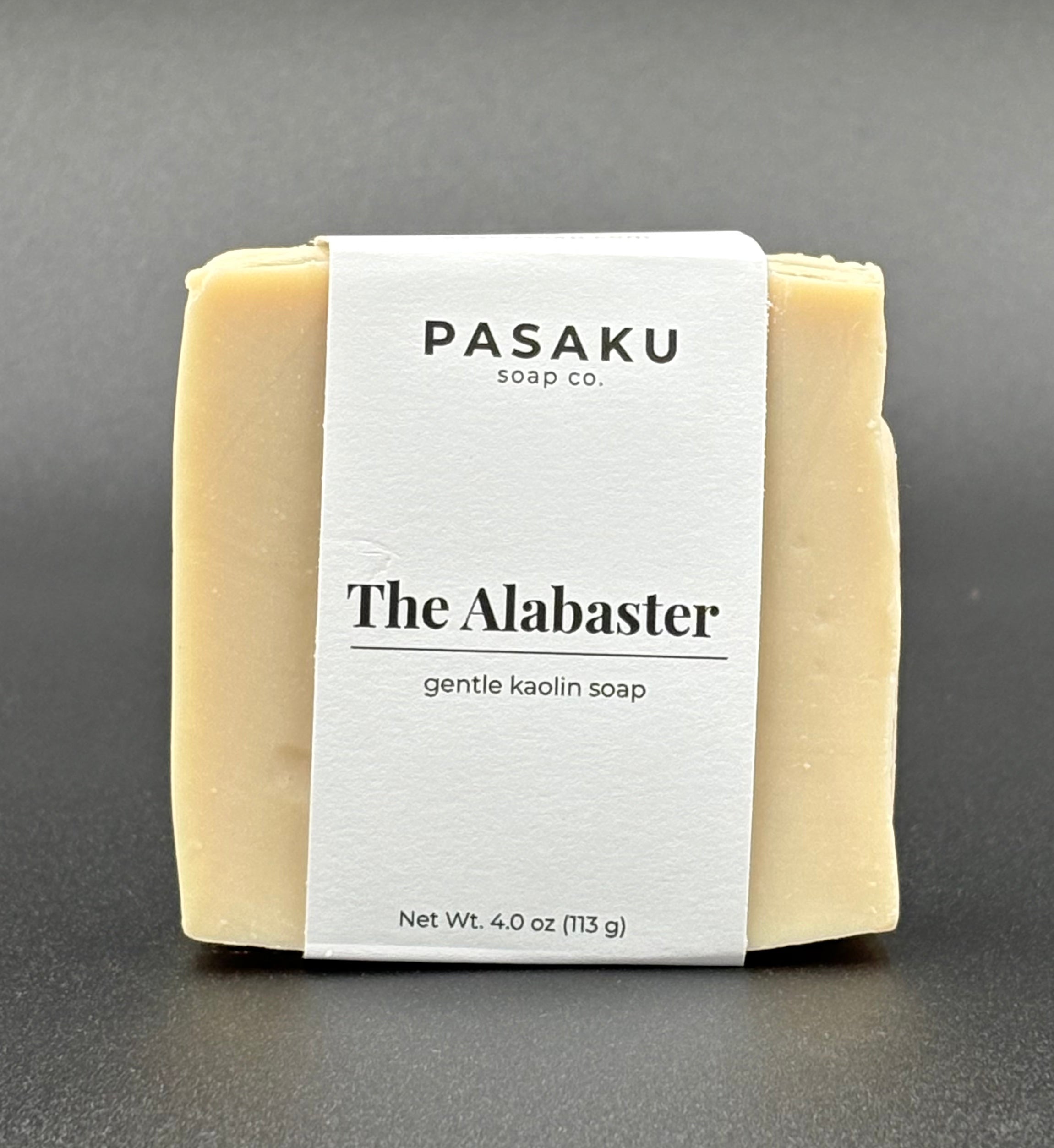
If you have sensitive skin and want a gentle, unscented starting point, our Alabaster unscented plant-based artisan soap is designed for an uncomplicated daily ritual. For a cleansing routine that pairs with your oil, our Soap Trio lets you test three bars side by side.
Hard water can also affect how oils and soaps feel on the skin. If you live in a hard-water area, a moisturizing, well-formulated bar can help rinse cleanly and leave less residue behind.
Comedogenic Ratings, Oxidation and Rancidity: The Downsides Nobody Lists
Most oil articles focus on benefits. The downsides matter just as much, and two of them, pore clogging and oxidation, are the ones that most often send people back to the drawer with a bottle they no longer trust.
Comedogenic ratings estimate how likely an oil is to block pores, usually on a scale from 0 (very unlikely) to 5 (very likely). The scale traces back to informal dermatological testing on rabbit ears and later human patch studies, and it is not a regulatory standard in the United States, so treat it as a directional guide rather than a guarantee. Approximate ratings commonly cited for oils in this article are:
- Jojoba: 2
- Argan: 0 to 1
- Rosehip: 1 to 2
- Coconut: 4
The spread matters more than the exact numbers. A coconut oil scoring 4 is far more likely to produce a closed comedone on the cheeks or jaw than a jojoba oil scoring 2, but individual skin, climate, and the other products in your routine all change the outcome.
Oxidation and rancidity are the quieter risks. Cold-pressed oils contain more polyunsaturated fatty acids, such as linoleic acid, and those double bonds react with oxygen. The reaction is accelerated by light, warmth, and metal ions, and it produces aldehydes and ketones that create the stale, crayon-like or paint-like smell that signals a spoiled oil. Once oxidation starts, the oil also loses the vitamin E and polyphenols that made cold pressing worth choosing in the first place.
A few practical checks help. Smell the oil before each use, since a sharp or waxy odor is more reliable than the color, which can darken without going rancid. Keep bottles in dark glass, cap them tightly, and store them in a cool cupboard rather than a sunny bathroom. Many people keep rosehip and other highly unsaturated oils in the refrigerator to extend their usable life, and this is a common and reasonable practice.
Watch out: an oil that has oxidized can still feel smooth on the skin, so a pleasant texture is not evidence that it is safe to use on your face.
Comedogenic ratings of common oils (0 to 5 scale)
How to Patch Test a New Oil and Choose a Trial Option From Pasaku
Patch testing is the step most people skip, and it is the one that prevents most avoidable reactions. The method below follows the general approach dermatologists recommend for topical products, adapted for facial oils.
- Test one oil at a time. Introducing two new products together makes it impossible to tell which one caused a reaction, and a delayed reaction can take days to appear.
- Choose a test site that resembles your face. The inner forearm is conventional, but the skin behind the ear or along the jawline is closer to facial skin in thickness and sensitivity.
- Apply a small amount, about the size of a fingernail, and leave it uncovered so you can observe it.
- Read the site at 15 minutes, 24 hours, and 48 hours. Immediate stinging suggests irritation, while redness, itching, small bumps, or a slightly raised texture at 24 to 48 hours more often indicates allergic contact dermatitis or a clogged follicle.
- Only then try the oil on your face, starting with two or three drops, a few nights a week, for at least a week before increasing use.
- Stop and rinse with lukewarm water if irritation develops, and do not reapply until the skin has fully calmed.
Watch out: a clear patch test on the forearm does not guarantee that the oil will be comfortable on your face, because facial skin is often more reactive, especially around the eyes.
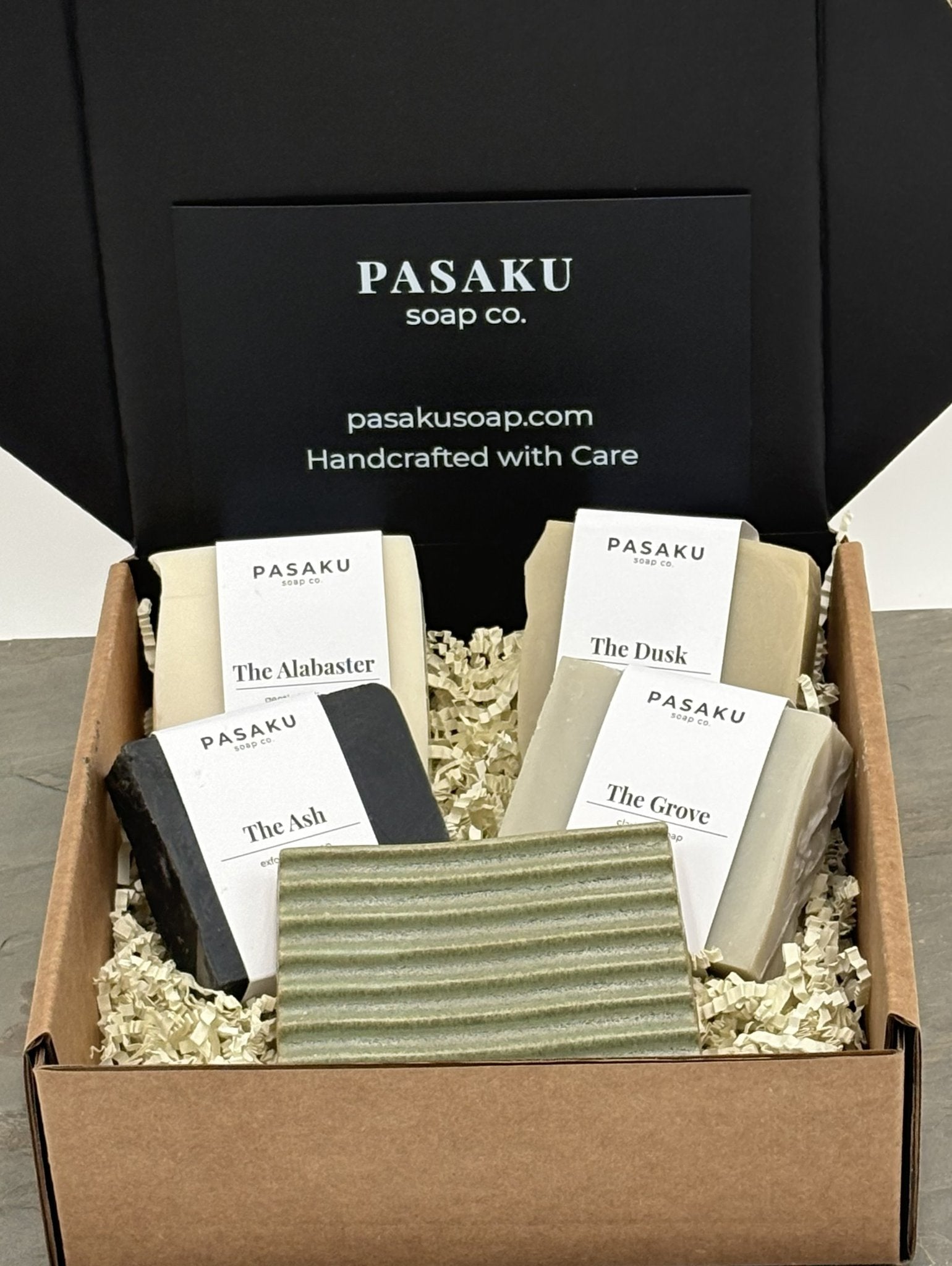
If you want to try our products before committing, the Premier Collection gives you four artisan bars to test across your routine, and a gift card is a low-risk way to sample the range for someone else or for yourself. Because each bar is a separate formula, use the same one-at-a-time approach when you add them to your routine.
A patch test shows how your skin reacts to one specific product in one specific place. It does not tell you whether an oil is "better" in general, and results change with climate, season, and whatever else you use on your skin.
Frequently Asked Questions
Is cold pressed oil better than refined oil for skin?
Cold pressed oil is extracted with mechanical pressing and little or no heat, which tends to preserve more vitamin E, polyphenols and fatty acids than refined oil. Refining uses heat and chemical solvents to remove color and odor, which strips some of those compounds. Better does not mean universally safer, though. Cold pressed oils oxidize faster and can irritate sensitive skin, so patch testing still matters. For a sensitive face, a lightly processed, fresh oil stored away from light is usually the better starting choice.
What oils should you avoid putting on your face?
Avoid oils with high comedogenic ratings if you are acne-prone, such as coconut oil on the face for many people, and avoid any oil that smells rancid, sour or like crayons, since oxidized oil can irritate skin. Be cautious with essential oils at full strength, which can cause contact reactions. Skip oils you have never tested, and never apply oil to broken or freshly irritated skin. A small patch test on the jawline for 24 to 48 hours reveals most reactions before they reach the whole face.
Is cold pressed coconut oil good for facial skin?
Cold pressed coconut oil is rich in lauric acid and works well as a body moisturizer and a balm for dry patches. On the face it is more mixed. Its comedogenic rating is high, so it can clog pores on oily or acne-prone skin, even though many people with dry skin tolerate it well. If you try it on your face, use a very thin layer, apply it at night, and stop if you see new bumps. Jojoba oil is often a gentler choice for facial use.
Can cold pressed oils be used on sensitive or acne-prone skin?
Some can, but the answer depends on the oil. Jojoba oil has a structure similar to skin's natural sebum, which is why many people with sensitive or acne-prone skin use it without trouble. Oils with high linoleic acid can suit acne-prone skin, while coconut and some butters are more likely to clog pores. Patch test first, use one new product at a time, and keep the rest of your routine simple so you can identify the cause of any reaction.
