

Best Biodegradable Soap for Camping: 2026 Guide
Quick Summary
Biodegradable soap breaks down over time through soil microbes, but it is never safe to wash directly in lakes, streams, or springs. Wash at least 200 feet from any water source, use a small amount, and scatter the rinse water widely over soil.
- Keep all camp washing at least 200 feet from lakes, streams, springs, and trails.
- Use the smallest amount needed; a few drops of concentrate or a quick rub of a bar is usually enough.
- Strain food scraps from dishwater and pack them out before scattering the gray water.
- Choose fragrance-free formulas to reduce skin irritation and scent attraction to wildlife.
- A solid bar is the least leak-prone format and suits most backpacking trips.
Table of Contents
- What Biodegradable Really Means at a Campsite
- Camping Soap Bar vs Liquid vs Powder: Which Format Fits Your Trip
- Best Camping Soap Picks from the Pasaku Lineup
- Biodegradable Soap and Shampoo for Camping Trips
- Using Biodegradable Soap for an Outdoor Shower Safely
- Choosing Your Camp Soap for Sensitive Skin and Hard Water
- Picking Your Camp Soap Before Your Next Trip
- Frequently Asked Questions
What Biodegradable Really Means at a Campsite
Last Updated: November 12, 2026
"Biodegradable" on a soap label means microbes can break the product down over time, it does not mean the soap is safe to use directly in a lake, stream, or spring. That distinction is the single most important thing to understand before you pack any camp soap, and most roundups gloss over it.
How breakdown actually works outdoors. Biodegradation depends on three conditions: enough soil contact, warm enough temperature, and enough time. A soap that breaks down in weeks in a warm, biologically active soil may persist far longer in cold alpine ground, in sand, or in a concentrated puddle where the same microbes are overwhelmed. When soap reaches a waterway, it dilutes into an environment where the microbes that break it down are far fewer, and the surfactants that lift grease can still damage aquatic life, gills, amphibians, and insect larvae are the most sensitive.
Product claims versus real-world conditions. A label claim is usually tested under controlled conditions, not on a cold mountainside. Treat "biodegradable" as a claim about the formula, not a permission slip. The practical rule is unchanged: keep soap out of water entirely and let soil biology do the work.
The Leave No Trace washing method, step by step:
- Carry water to a spot at least 200 feet from lakes, streams, springs, and trails, roughly 70 adult paces.
- Use the smallest amount that gets the job done; a few drops of concentrate or a quick rub of a bar is usually enough.
- Wash hands, dishes, or body over a patch of soil, not over a rock where runoff runs straight to water.
- Strain food particles and scraps out of dishwater and pack them out; scatter the remaining gray water widely so it does not pool.
- Rinse with clean water carried from the source, and scatter that rinse water the same way.
How to verify an ingredient list. Rather than trusting the front label, read the back. Look at the surfactant (the actual cleaning agent), the fragrance, and the preservative. Fragrance-free formulas reduce the risk of skin irritation and scent attraction to wildlife; preservatives matter because a soap with no preservative can grow bacteria once it is wet. Plant-derived ingredients can still irritate sensitive skin, so patch-test a new bar before a long trip.
Watch out: Pouring gray water into a fire pit or a single spot concentrates surfactants and salts where nothing disperses them; scatter it, do not dump it.
Leave No Trace Seven Principles
Camping Soap Bar vs Liquid vs Powder: Which Format Fits Your Trip
Every camping soap format is a trade between weight, mess risk, and how precisely you can dose it. The table below is the comparison most roundups skip: what each format actually costs you in pack weight and effort per wash.
| Format | Typical pack weight | Dose control | Leak risk | Best for |
|---|---|---|---|---|
| Solid bar | 2-4 oz per bar | Good, rub or shave off what you need | None | Backpacking, solo trips, multi-use |
| Liquid concentrate | 2-8 oz bottle plus water weight | Excellent, measured drops | High if the cap is not sealed | Car camping, dishes, laundry |
| Powder | 1-3 oz | Fair, clumps in humidity | Moderate | Ultralight trips, short durations |
| Sheets | Under 1 oz per pack | Good, one sheet per wash | None | Ultralight, strict weight limits |
Bar soap. A solid bar is the most compact and the least likely to leak, which is why it dominates backpacking lists. A typical 3-4 oz bar lasts one person roughly two to four weeks of daily hand and body washing, depending on how hard the water is and how long each wash runs. The trade-off is drying time: a bar stored wet turns soft and dissolves faster, so a vented dish matters more than the bar itself.
Liquid concentrate. Concentrates are the most versatile option for dishes and laundry because you can measure a few drops into a pot or a stuff sack. The catch is water weight and the leak risk of any screw-top bottle in a pack. Most practitioners decant concentrate into a 2 oz dropper bottle rather than carrying the retail container.
Powder and sheets. These save the most pack weight but are the hardest to dose. Powder clumps in humid conditions and is easy to spill; sheets are pre-measured but limited to one wash size, which wastes product on a quick hand rinse. They suit ultralight trips where every ounce is counted and washing is infrequent.
Dilution and concentration. Read the label ratio before you pack. A common pattern is roughly 1 part concentrate to 10-30 parts water for dishes and heavier dilution for body washing; mixing a full bottle at home and carrying it pre-diluted adds water weight you do not need. Mix small batches at camp instead.
Watch out: A bar that stays damp in a sealed bag grows soft and can harbor odor; air it out at every stop and keep it in a vented dish, not a zip bag.
For most solo or two-person trips, a solid bar handles hands, body, and light cleaning with the least hassle. Car campers with room to spare may prefer a liquid concentrate for multi-use cleaning, and ultralight hikers should weigh sheets against the dose-control loss.
Best Camping Soap Picks from the Pasaku Lineup
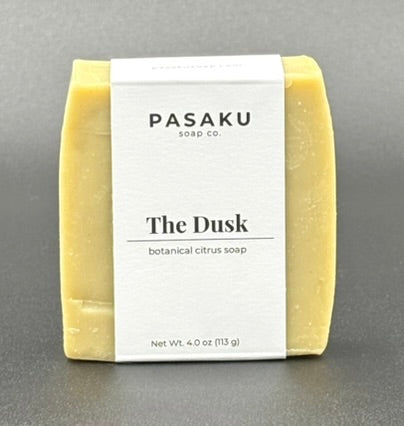
Our four camp-friendly bars each suit a different kind of trip. For a lavender and bergamot option, you can view the Lavender Bergamot Essential Oil Soap and its details on its product page.
Pack Weight, Packability and Leak Prevention
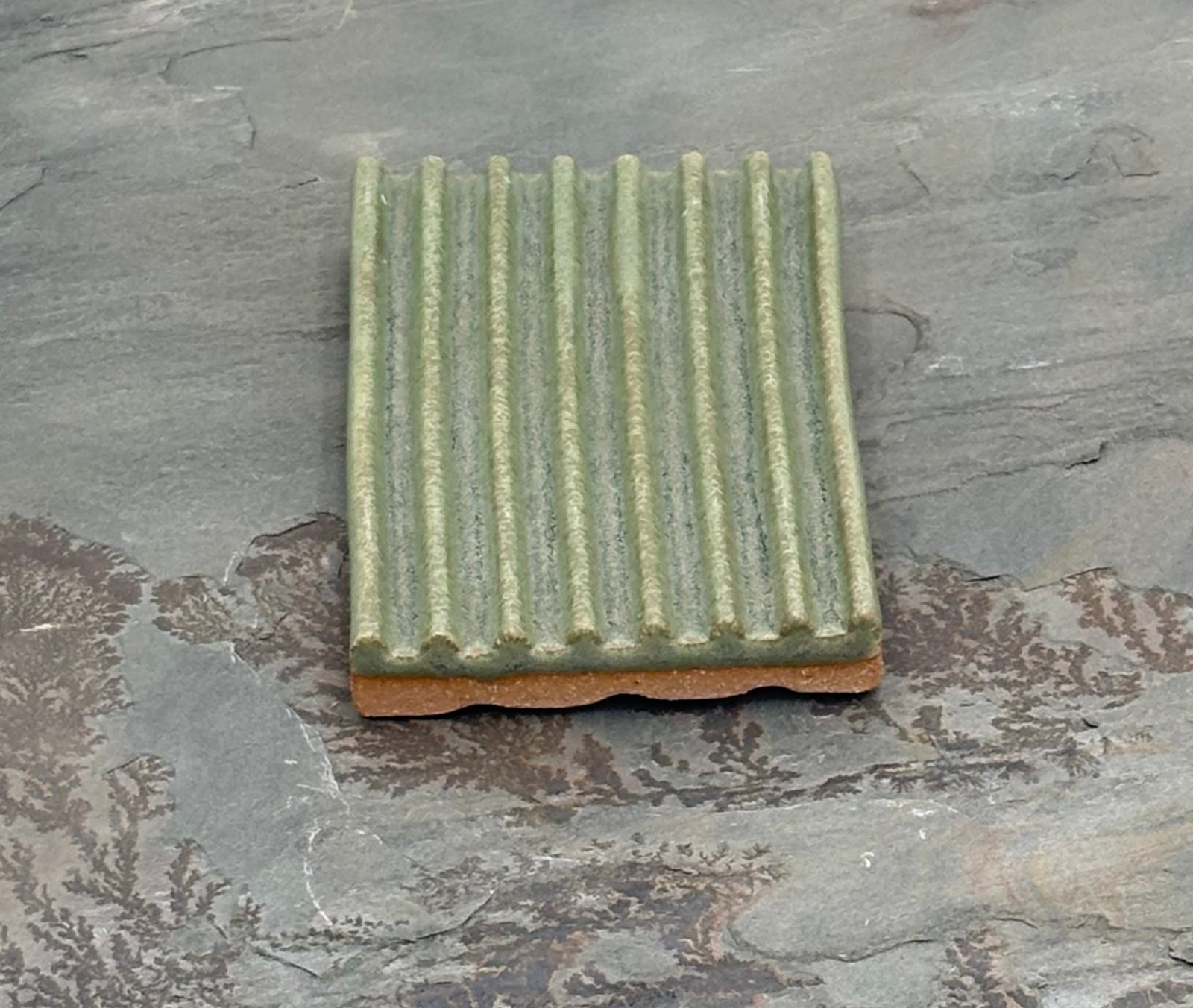
A solid bar avoids the leak risk of liquid and travels well in a small zip bag. Store it in a soap dish with a lid so it dries between uses and stays firm in your pack.
Cost Per Wash and Concentration Value
At $9.00 per bar, the cost per wash depends on how many uses you get from each bar. Check how quickly your bar wears down on your own trips before comparing it with other options.
Biodegradable Soap and Shampoo for Camping Trips
A bar can wash hair as well as body. Lather a small piece in your hands, then work it through wet hair away from any water source. Rinse with a container and scatter the water. This keeps your routine simple and reduces what you carry.
Using Biodegradable Soap for an Outdoor Shower Safely
Set up your outdoor shower at least 200 feet from lakes, streams and springs, following Leave No Trace guidance. Use only a small amount of soap, and let the water drain across the ground rather than pooling in one spot.
Choosing Your Camp Soap for Sensitive Skin and Hard Water
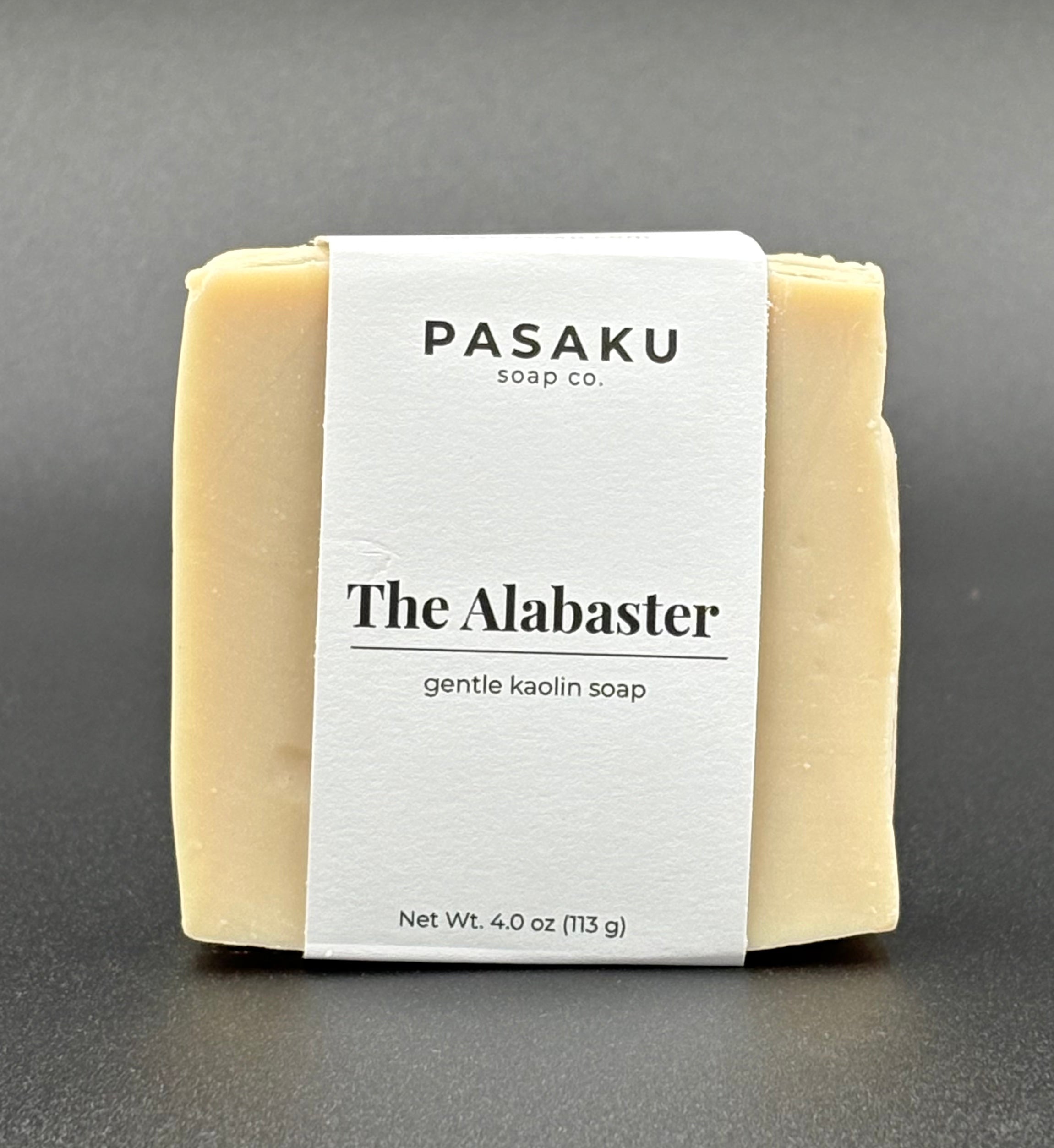
If you have sensitive skin, look for an unscented, plant-based bar. The Alabaster | Unscented Plant-Based Artisan Soap is formulated with shea butter, olive oil and white kaolin clay for a mild, creamy lather and is fragrance-free. For more detail on natural soaps for this skin type, read our best natural soap for sensitive skin guide.
Picking Your Camp Soap Before Your Next Trip
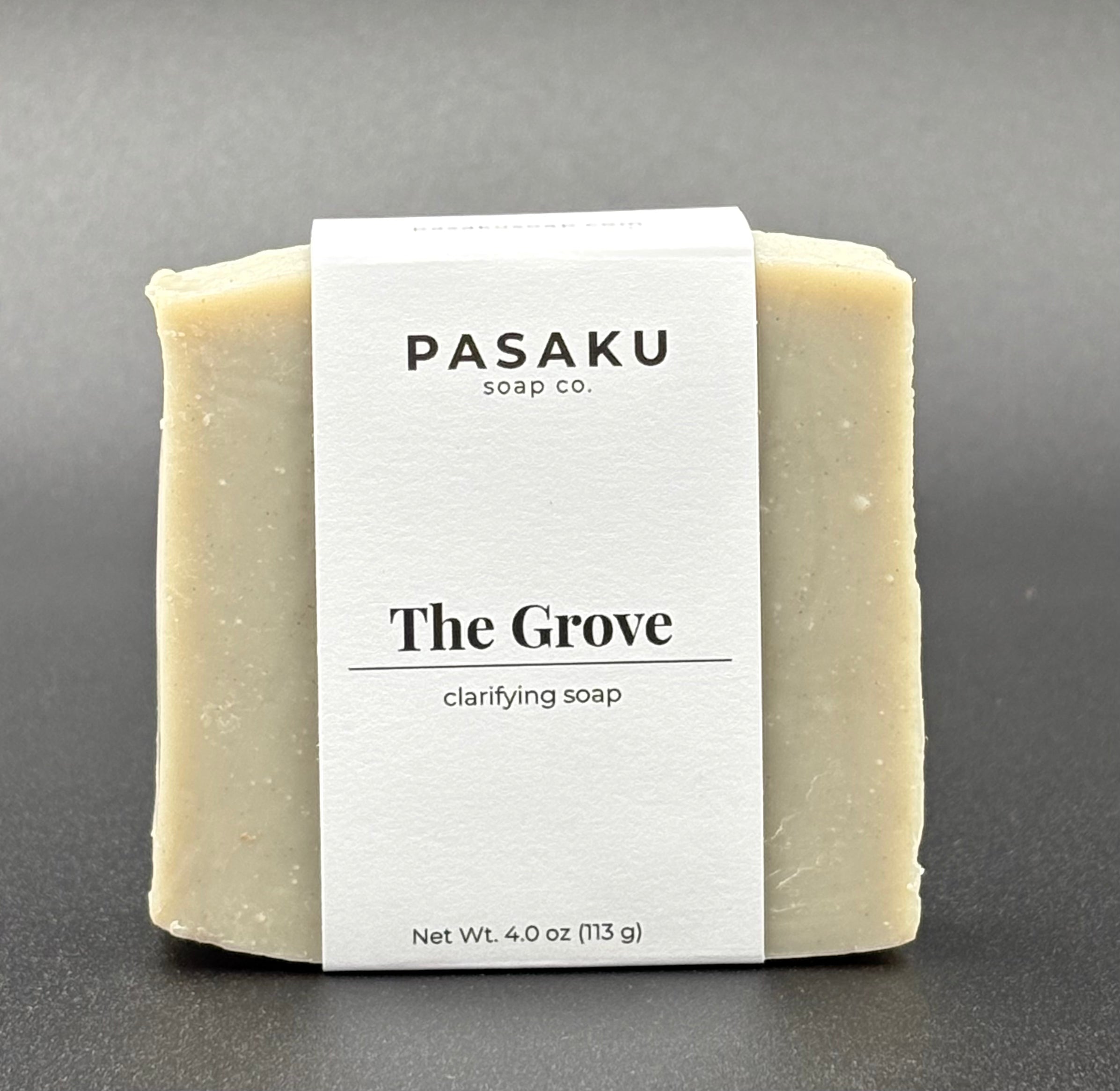
Start by matching the format to your trip length, then choose a scent or formula that suits your skin. Pack a leakproof soap dish, plan your wash spot well away from water, and scatter rinse water widely. For a bar that does more than one job, browse The Ash | Activated Charcoal Cedarwood Exfoliating Soap or The Grove | Eucalyptus Tea Tree Lavender Soap.
Frequently Asked Questions
What is the best biodegradable camp soap?
The best choice depends on your trip. Bar soap is the lightest option and lasts longest, which suits backpacking. Liquid concentrate offers the most versatility for dishes, clothes and body washing, and works well for car camping. Pasaku's plant-based bars, including The Alabaster at $9.00 and The Grove at $9.00, are formulated with shea butter and olive oil. Test any bar at home before a trip so you know how it lathers in your water.
What soap is safe to use while camping?
Use a soap labeled biodegradable and plant-based, and use it sparingly and at least 200 feet from lakes, streams and springs. Apply it to your body or dishes away from the water source, then scatter the rinse water across a wide area of soil. Soap residue can still affect water quality even when the product breaks down, so the safest habit is to wash away from water and use the least amount that does the job.
What is the difference between bar, liquid, and powder camping soap?
Bar soap is compact, lasts a long time and produces little waste, which makes it ideal for backpacking. Liquid soap is convenient for dishes and laundry but adds weight and can leak in a pack unless the bottle is well sealed. Powder soap is the lightest and easiest to carry, but it requires measuring and dissolving. Pick the format based on whether you prioritize pack weight, versatility or ease of use.
Can biodegradable camping soap be used as shampoo?
Lather the bar in your hands and work it through the hair, then rinse thoroughly. Follow up with a diluted vinegar rinse if your water is hard. Keep the rinse water away from streams and dispersed across the ground.
