

What Should You Look for in Moisturizing Soap for Aging Skin?
Last Updated: November 14, 2026
Quick Summary
Look for a moisturizing soap with glycerin and conditioning plant fats like shea butter or olive oil near the top of the ingredient list. Choose a fragrance-free formula and avoid harsh sulfates, since these can strip oil from aging skin.
- Ingredients are listed by weight, so check the full list rather than the front label.
- Glycerin should appear on the list, ideally high up, to help draw moisture into the skin.
- Shea butter, cocoa butter or olive oil should sit in the top half of the ingredient list.
- Choose fragrance-free over unscented, since fragrance is a common irritant for thin, reactive skin.
- Test a new gentle, unscented bar for two to three weeks and see a doctor if dryness continues.
Table of Contents
- Why Aging Skin Needs a Different Kind of Soap
- Soap Ingredients for Dry, Mature Skin
- How to Read a Soap Label: A Practical Checklist
- Bar Soap vs. Body Wash for Dry Skin
- Fragrance-Free Cleansers for Sensitive, Aging Skin
- Choosing a Best Moisturizing Body Wash for Aging Skin
- Choosing Your Next Soap and When to See a Doctor
- Frequently Asked Questions
Why Aging Skin Needs a Different Kind of Soap
Choosing a moisturizing soap for aging skin is the single most important switch most people overlook. As we age, the skin's natural oil production drops and the barrier that holds water in weakens. That makes a harsh cleanser feel fine on day one and tight, flaky and itchy by week three. At Pasaku Soap Company, we make our bars by hand in small batches, and we start from one question: will this bar leave skin feeling comfortable, or stripped?
Most people judge soap by how much it foams. That's the wrong test for mature skin. A thick, bubbly lather often comes from harsh surfactants that remove oil along with dirt. What you want is a bar that cleans gently and leaves some moisture behind. A moisturizing soap with a milder pH and emollient ingredients is generally what people with dry skin look for, and that combination is what this guide helps you find.
Aging skin also tends to be thinner and more reactive. Fragrance, strong botanicals and high-alkali formulas can sting or redden it. So the goal is a bar that is gentle first and moisturizing second, with ingredients that support the skin instead of working against it.
Soap Ingredients for Dry, Mature Skin
The ingredient list tells you more than the packaging does. Look for a short list of recognizable fats, humectants and skin-soothing additives. Some artisan soaps use shea butter and olive oil for their conditioning effect, and Pasaku's Alabaster bar uses both.
Humectants and emollients that hold moisture
Humectants pull water into the skin, while emollients smooth and seal the surface. Glycerin is a common humectant in soap, and it is a natural byproduct of saponification in true soap. Shea butter, olive oil and other plant fats act as emollients, softening the skin and reducing the tight feeling that follows washing.
Look for these moisture-friendly ingredients:
- Glycerin, a humectant that draws water into the outer skin layer
- Shea butter and olive oil, which condition and soften
- Kaolin clay, which adds slip and a creamier lather (as in The Alabaster)
- Plant oils such as sweet almond or jojoba, depending on the formula
Ingredients and cleansing agents to avoid
Some cleansing agents are harsh enough to strip oils from aging skin. Sodium lauryl sulfate and other strong sulfates are the classic example, since they produce heavy foam and remove more oil than mature skin can spare. Synthetic fragrances and some essential oils can also irritate sensitive skin, which is why fragrance-free formulas are a safer starting point.
Watch for these:
- Harsh sulfates that cause heavy foaming and oil loss
- Synthetic fragrance, which is a common irritant
- Very high-alkali formulas that disrupt the skin's natural pH
- Drying alcohols in some liquid cleansers
How to Read a Soap Label: A Practical Checklist
Most product pages recommend ingredients in general terms. A label-reading method is more useful, because it lets you judge any bar in the aisle in about two minutes.
Step 1: Find the ingredient list, not the front label. In the United States, ingredients are listed by weight in descending order of concentration until the list reaches 1%, after which order is not required.
Step 2: Identify the cleansing base. Look at the first two or three ingredients. If you see sodium olivate, sodium cocoate, sodium palmate or sodium tallowate, the bar is true soap made by saponification. If you see sodium cocoyl isethionate, sodium lauroyl sarcosinate, cocamidopropyl betaine or sodium cocoyl glycinate, it is a syndet (synthetic detergent) bar. Both can be gentle; the point is to know which you are buying so you can compare like with like.
Step 3: Confirm a humectant is present. Glycerin should appear on the list, ideally high up. In true soap, glycerin is a natural byproduct of saponification and some makers retain it; in syndet bars it is added.
Step 4: Check the emollients. Conditioning fats and oils, shea butter, cocoa butter, olive oil, sunflower oil, jojoba oil, should sit in the top half of the list.
Step 5: Screen the fragrance. "Fragrance" and "parfum" are the same disclosure category and can each stand in for dozens of undisclosed compounds. "Unscented" usually means fragrance was added to mask a base odor; "fragrance-free" is the stronger claim.
Step 6: Flag harsh surfactants and drying alcohols. Sodium lauryl sulfate is the classic high-foaming, oil-stripping surfactant; sodium laureth sulfate is milder but still a sulfate. Denatured alcohol and alcohol denat. high on a list can be drying.
Step 7: Match the format to your skin. A short list built on plant fats and glycerin suits dry, thin skin. A longer list built on mild syndets suits someone who wants a lower-pH cleanser or a bar that resists softening in the shower.
Watch out: "natural," "plant-based," "clean" and "dermatologist-tested" are marketing terms without a fixed legal definition in the United States, so they cannot substitute for reading the ingredient list.
Use this quick reference to screen any bar or body wash in about two minutes.
| Step | What to check | Why it matters |
|---|---|---|
| 1. Ingredient list | Read the list, not the front label | Ingredients are listed by weight until 1% |
| 2. Cleansing base | Sodium olivate or similar means true soap; sulfonate or betaine means syndet | Tells you which bar type you are buying |
| 3. Humectant | Glycerin present, ideally high on the list | Helps draw moisture into the skin |
| 4. Emollients | Shea butter, cocoa butter or olive oil in the top half | Conditioning fats should be functional, not a claim |
| 5. Fragrance | Prefer fragrance-free over unscented | Fragrance is a common irritant |
| 6. Harsh surfactants | Watch for sodium lauryl sulfate and drying alcohols | Strong foaming can strip oils from aging skin |
| 7. Format match | Plant fats and glycerin for dry skin; mild syndets for other needs | Matches the bar to your skin's needs |
Bar Soap vs. Body Wash for Dry Skin
The format matters less than the formula, but the format shapes what formulas are possible. Here is how the three main options actually differ for mature, dry skin.
True soap bars. Made by saponification, these are typically alkaline, often in the pH 9-10 range. That alkalinity is why some dry skin feels tight after washing: the bar temporarily raises skin pH, and the barrier takes time to recover. True soaps also tend to contain retained glycerin, which is a genuine plus. If you choose one, look for a superfatted bar with plant fats high on the list and no added fragrance.
Syndet cleansing bars. These use synthetic detergents and are usually formulated closer to skin's natural pH, roughly 5.5-7. They tend to feel less tight after rinsing, resist softening in a wet dish, and are easier to formulate fragrance-free. The trade-off is a longer ingredient list and, often, a higher price per bar. For someone who has reacted to alkaline soaps, a syndet bar is the logical next test.
Liquid body washes. Liquids are water-based, so they need preservatives and usually more surfactants to achieve a comparable clean. That does not make them harsh, many moisturizing body washes are excellent, but it does mean the ingredient list is longer and the moisturizing oils are more diluted.
How to choose by skin feel. If your skin feels tight or itchy within an hour of showering, move toward a syndet bar or a fragrance-free moisturizing body wash. If your skin feels comfortable but occasionally flaky, a superfatted true soap with retained glycerin is a reasonable, low-waste choice.
Practical trade-offs. Bars last longer per dollar and use less plastic; liquids are easier to use one-handed and in a shower chair, which matters for anyone with limited mobility or caregiver-assisted bathing. A pump bottle also avoids the slip risk of a wet bar. Neither format is inherently better, the right answer depends on your skin's reaction and your bathing setup.
Watch out: a bar labeled "moisturizing" can still be a high-alkali true soap, and a body wash labeled "gentle" can still lead with a sulfate. The format tells you what to expect; the ingredient list tells you what you are actually getting.
Fragrance-Free Cleansers for Sensitive, Aging Skin
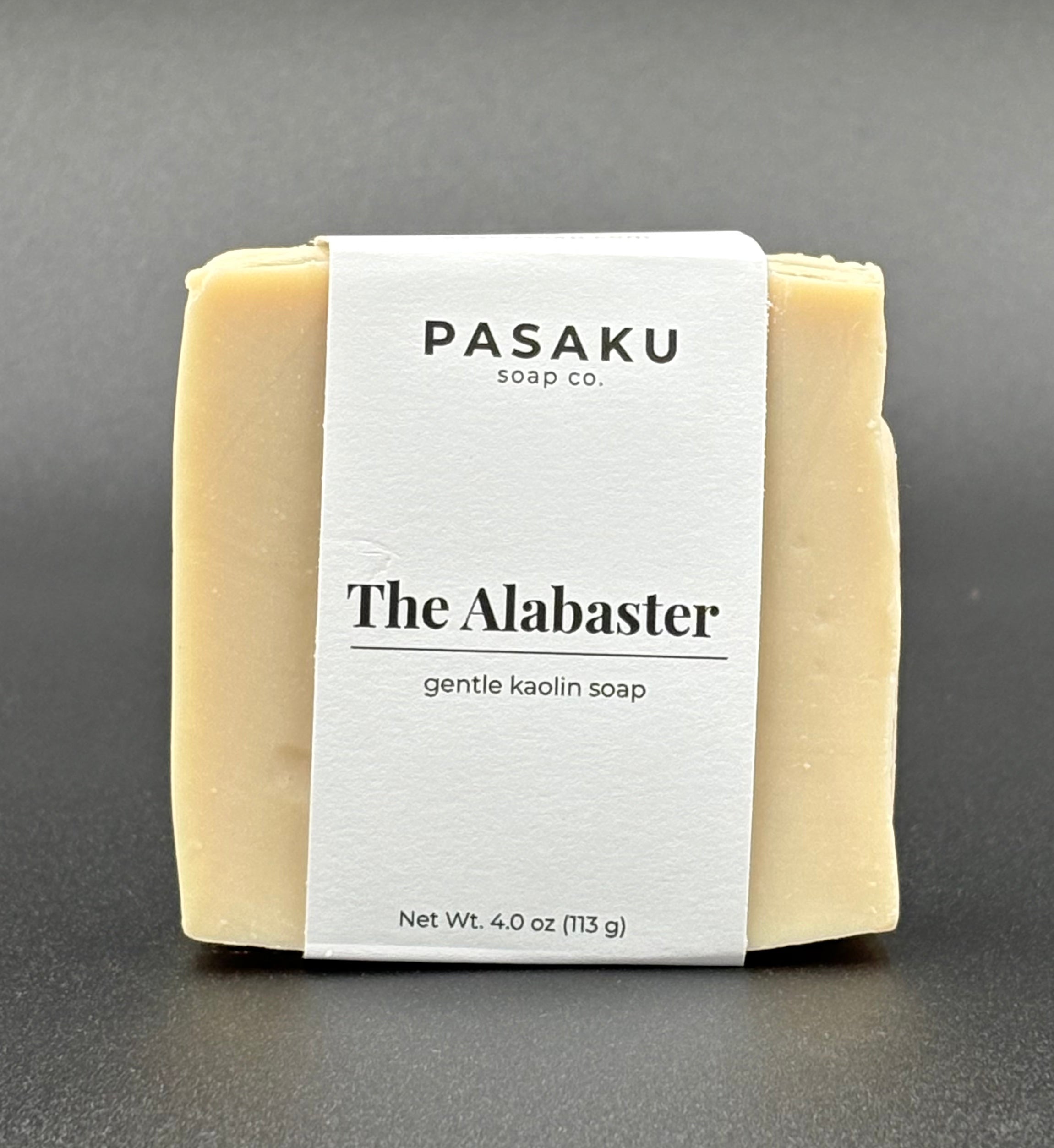
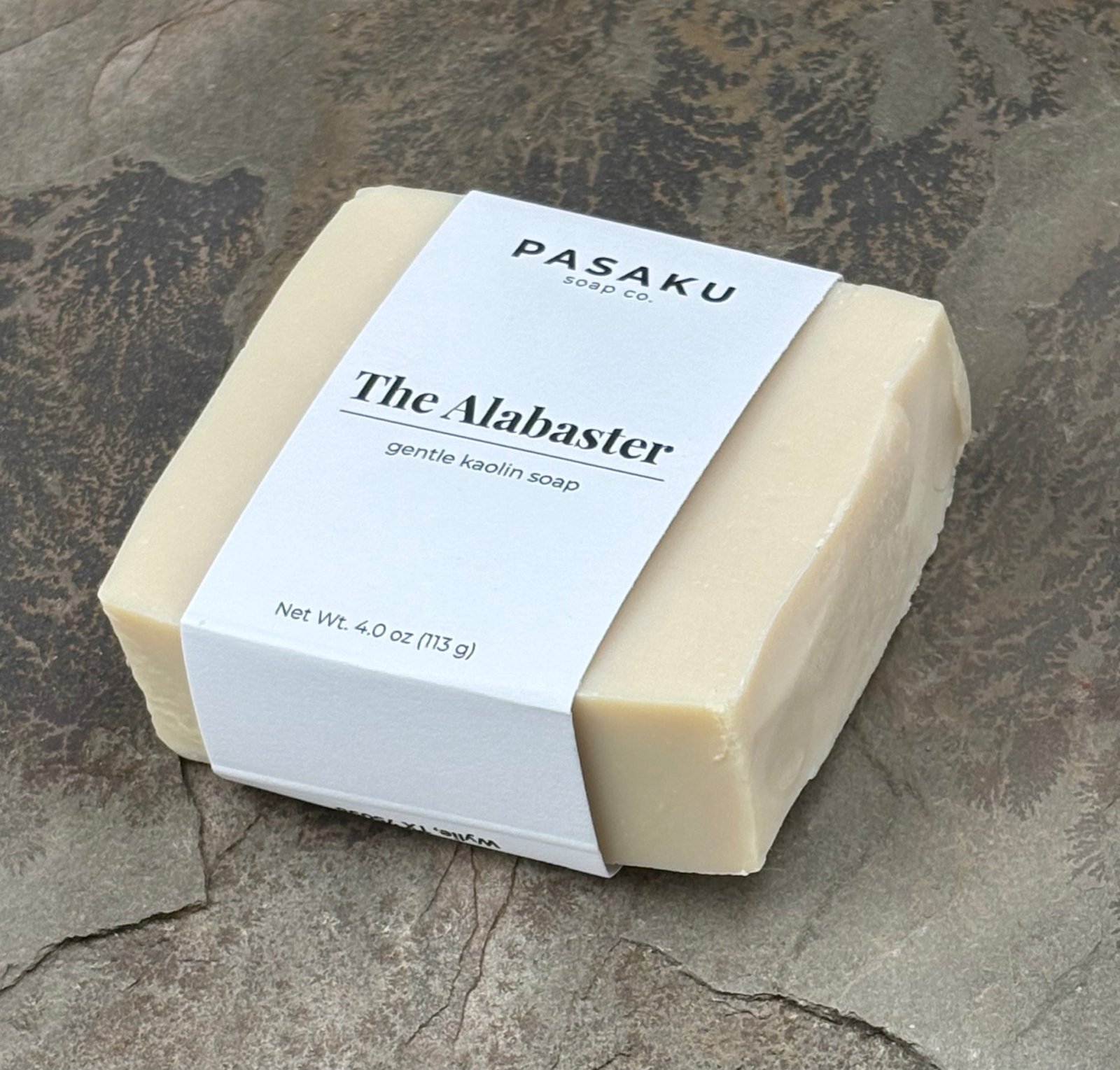
Fragrance is one of the most common triggers for irritation on thin, reactive skin. Unscented products remove that variable, which makes them easier to judge. Our Alabaster is a fragrance-free, plant-based bar made with shea butter, olive oil and white kaolin clay, designed for a mild, creamy lather. If you are testing a new cleanser on sensitive skin, a plain unscented bar is a reasonable place to start.
Fragrance-free does not automatically mean gentle, so check the full ingredient list. Some unscented products still contain harsh surfactants. The safest choice is a bar that is both unscented and low in harsh cleansing agents.
Choosing a Best Moisturizing Body Wash for Aging Skin
If you prefer a liquid cleanser, look for one that is labeled moisturizing, low in sulfates and free of added fragrance.
Compare options with the same criteria: glycerin or other humectants, conditioning oils, no harsh sulfates and no fragrance if your skin is reactive. A product that meets all four is a strong candidate, even if it costs more than a drugstore option.
Choosing Your Next Soap and When to See a Doctor
Start with a gentle, unscented moisturizing soap and use it for two to three weeks. Notice whether your skin feels comfortable after washing, not just clean. If dryness, tightness or itching continues despite a gentle cleanser and regular moisturizer, or if you see cracking, rash, spreading redness or open sores, see a doctor or dermatologist.
Frequently Asked Questions
What ingredients should you look for in soap for aging skin?
Look for humectants such as glycerin and hyaluronic acid, which draw moisture into the skin, and emollients such as shea butter, olive oil and fatty acids, which help soften and support the skin barrier. Ceramides and plant oils are also useful. Choose fragrance-free formulas where possible, since added fragrance is a common cause of irritation on thinner, drier skin. Pasaku's Alabaster bar, for example, is built on shea butter and olive oil with kaolin clay for a silky, mild lather and is fragrance-free. Check the label before buying, because "natural" on the front does not guarantee a gentle formula.
Is bar soap or body wash better for mature, dry skin?
Both can work. Many traditional bar soaps are alkaline and can strip oils, which may leave mature skin tight or itchy. A moisturizing bar that is cold-process and rich in oils, or a syndet cleansing bar with a gentler surfactant base, is often easier on dry skin than a harsh soap. Body washes can be equally gentle or harsher depending on their surfactants. Focus on the ingredient list rather than the format, and rinse thoroughly with lukewarm water.
Should people with aging skin avoid fragrance in soap?
Fragrance-free products are often suggested for sensitive skin. Fragrance, including essential oils, is one of the more common triggers of contact irritation, and older skin often has a thinner barrier that reacts more easily. Fragrance-free products reduce that risk without removing the cleansing benefit. Be aware that "unscented" can still contain masking fragrance, so look for fragrance-free wording and check the ingredient list for fragrance or parfum.
Can soap make dry or itchy skin worse?
Yes. Harsh cleansing agents, high-pH soaps and frequent hot showers can remove natural oils and weaken the skin barrier, which increases dryness and itching. If your skin feels tight or stays itchy after switching to a gentler soap, or if you see cracking, redness, or rash that does not improve within a couple of weeks, speak with a doctor or dermatologist, since persistent symptoms can have causes that soap alone will not fix.
