

How to Identify Plant-Based Oils: A Label-Reading Guide
Quick Summary
Plant-based oils are fats pressed or extracted from seeds, nuts, fruits and other plant parts. To identify them on a label, start with the ingredient list, since items are ordered by weight, then judge how specifically each oil is named.
- Ingredient lists are ordered by weight, so oils near the top are major components.
- Sort each oil name as fully specified, partly specified, or generic.
- Terms like "vegetable oil" or "and/or" can change between batches, so ask the maker when the source matters.
- Physical clues like color, scent and texture can narrow possibilities but cannot confirm an oil's source.
- Essential oils, carrier oils and edible oils are different product types, so check where each sits in the list.
Table of Contents
- How to Identify Plant-Based Oils: A Label-Reading Guide
- What Plant-Based Oils Are and Where They Come From
- How Oils Are Extracted and What That Means for the Label
- How to Identify Oil Ingredients on Labels
- Common Plant Oils Used in Soap
- Essential Oils vs Fragrance Oils for Soap: Telling Them Apart
- Limits of Visual and Physical Identification
- Choosing Your Next Soap After Checking the Label
- Frequently Asked Questions
How to Identify Plant-Based Oils: A Label-Reading Guide
Last Updated: November 19, 2026
What Plant-Based Oils Are and Where They Come From
Plant-based oils are fats pressed or extracted from seeds, nuts, fruits and other plant parts. Knowing where an oil comes from is the first step to reading a label with confidence.
A plant oil is a fat that stays liquid or semi-solid at room temperature. Some oils, like coconut oil, turn solid in a cool room. Most are a mix of saturated and unsaturated fatty acids, and that mix decides how the oil behaves in a bar of soap.
Seed oils and examples
Seed oils come from the seed of a plant. Common examples used in soap and skincare include:
- Sunflower oil: light, fast-absorbing, and common in gentle formulas
- Safflower oil: a thin oil with a high share of unsaturated fats
- Grapeseed oil: light and silky, often used in cleansing products
Fruit-derived oils and examples
Fruit oils come from the flesh or pulp of a fruit, not the seed. Examples include:
- Olive oil: pressed from the olive fruit and rich in monounsaturated fats
- Avocado oil: pressed from the fruit flesh and thick in texture
How Oils Are Extracted and What That Means for the Label
The extraction method changes how an oil is labeled. Cold-pressing squeezes the seed or fruit without much heat, which keeps more of the oil's natural character. Read how Pasaku's cold-process method and ingredient sourcing work in its own soap-making. Refining uses heat, solvents, or filtering to make an oil lighter in color and scent.
Two labels can name the same plant but describe very different oils. "Cold-pressed olive oil" and "refined olive oil" both come from olives, yet they feel and perform differently. Check the wording before you assume two products match.
How to Identify Oil Ingredients on Labels
A label is the only reliable record of which plant oil is in a product, but the wording varies enough that a fixed checklist is not enough. Use a decision path instead: start with the ingredient list, then work from the most specific name to the least specific, and only fall back on physical clues when the label is silent.

Step 1: Find the ingredient list and its order
Ingredient lists are generally ordered by weight, from most to least (the FDA). A plant oil near the top is a major component; one near the bottom may be present at less than one percent. In bar soap, the oils that make up the base usually appear in the first three to five ingredients, while fragrance, colorants, and preservatives cluster at the end.
Step 2: Classify each name by specificity
Sort every oil-like ingredient into one of three tiers:
- Fully specified: the plant and often the plant part are named, such as "sunflower seed oil," "olea europaea (olive) fruit oil," or "cocos nucifera (coconut) oil." These are the easiest to identify and to check against an allergy.
- Partly specified: the plant is named but the part or process is not, such as "almond oil" or "palm oil." You know the source plant but not whether it is pressed from the kernel, the fruit, or a blend.
- Generic: the label says "vegetable oil," "plant oil," "blended oil," or "and/or" followed by several oils. The source cannot be determined from the label alone.
Step 3: Resolve generic and blended terms
"Vegetable oil" on a U.S. food label most often means soybean oil, sometimes blended with canola, corn, sunflower, or palm. In cosmetics and soap, "vegetable oil" or "plant-based oil" can mean almost any combination.
Watch out: a label that says "may contain" or "and/or" does not guarantee the oil you want to avoid is absent from a given bar or bottle.
If the source matters for a sensitivity, dietary restriction, or preference, contact the maker and ask for the current oil specification rather than relying on the front label. A clear label names the plant; a vague one is a signal to ask.
Step 4: Check for allergen and dietary flags
Refined oils and unrefined versions of the same oil can differ in allergen risk, so check the label or ask the maker when a sensitivity is a concern.
For dietary and religious checks, look for explicit claims such as "kosher," "halal," or "vegan" rather than inferring from the oil name. Shared equipment is a separate issue: a product may carry no allergen ingredient yet be made on lines that also process tree nuts or sesame. Look for a "made in a facility" statement or ask the maker about cleaning and scheduling between runs.
Step 5: Use physical clues only as a tiebreaker
Color, scent, and texture can narrow the possibilities but cannot confirm a source. A pale, odorless bar may contain a refined oil that was deodorized and bleached; a yellow-green tint may suggest unrefined olive oil but could also come from a colorant. Room-temperature state is a clue, not proof: coconut oil melts near 76°F, so a bar that stays firm in a warm room may simply contain more hard fat.
The article sorts ingredient names by how specific they are, and each tier tells you how much you can actually confirm from the label.
| Name tier | Example on label | What you can tell |
|---|---|---|
| Fully specified | Sunflower seed oil | Plant and plant part are both named |
| Partly specified | Almond oil | Plant is named, part or process is not |
| Generic | Vegetable oil | Source cannot be determined from the label |
| Generic | And/or followed by several oils | Oil may change between batches |
Common Plant Oils Used in Soap
Many handmade soaps rely on a few common oils. Shea butter adds creaminess, while olive oil offers a mild, conditioning cleanse. Each one changes how the bar feels on skin.
Knowing these names helps you read a list fast. You will recognize the oils that do the most work in the bar.
Essential Oils vs Fragrance Oils for Soap: Telling Them Apart
Most confusion around plant-based oils comes from treating three different product types as one: edible cooking oils, carrier oils used in skin care and soap, and essential oils used for scent. They come from plants, but they are not interchangeable, and the label tells you which one you are holding.
Edible oils, carrier oils, and essential oils
Edible plant oils are pressed or extracted from seeds, nuts, or fruit and are sold for cooking. Examples include olive oil, sunflower oil, and avocado oil. Carrier oils are the same class of fatty oils used as a base in soap, lotion, and massage blends; they are used in larger amounts and are chosen for how they feel on skin.
A simple test is concentration and purpose. If the ingredient appears among the first several items and makes up a large share of the product, it is almost certainly a carrier or edible oil. If it appears near the end at a fraction of a percent and the product is scented, it is likely an essential oil or fragrance.
How to read the scent line on a soap label
Look for these patterns:
- "Essential oil" or a plant name plus "oil" in a scent context: for example, "lavender oil" or "citrus peel oil." These are aromatic oils, not the fatty base oils.
- "Fragrance" or "parfum": a scent blend that may be synthetic, natural, or both. The specific components are not required to be listed.
- "Unscented" versus "fragrance-free": "Unscented" can still contain a masking fragrance, while "fragrance-free" is the stronger claim. Check the ingredient list for both fragrance and essential oils.
Watch out: a bar labeled "unscented" may still list an essential oil used as a masking agent, so read the full list rather than the front label.
Safety and dosage differences
Essential oils are potent and are used in small amounts, while carrier oils make up the bulk of a bar. Some essential oils, including citrus peel oils, are phototoxic and can increase sun sensitivity when left on skin (the FDA). Others, such as peppermint and eucalyptus, can irritate sensitive skin or mucous membranes. Edible oils carry their own considerations: sesame is a major allergen in the United States, and unrefined nut oils may retain enough protein to matter for highly allergic individuals.
When the label is ambiguous
If a label lists "essential oil blend" without naming the plants, or lists "natural fragrance," the source cannot be determined from the label. Ask the maker for the specific oils and their concentrations, especially if you have a known sensitivity or are buying for a child or someone with a compromised skin barrier. A clear label names the plant and the plant part; a vague one is a reason to ask before you buy.
Limits of Visual and Physical Identification
You cannot always tell an oil by looking at a bar. Color, texture, and smell can hint at the ingredients, but they do not prove them. A pale bar may still contain a dark oil, and a scented bar may hide its source.
Use the label as your main guide. Touch and smell help, but a written ingredient list gives you the facts.
Choosing Your Next Soap After Checking the Label
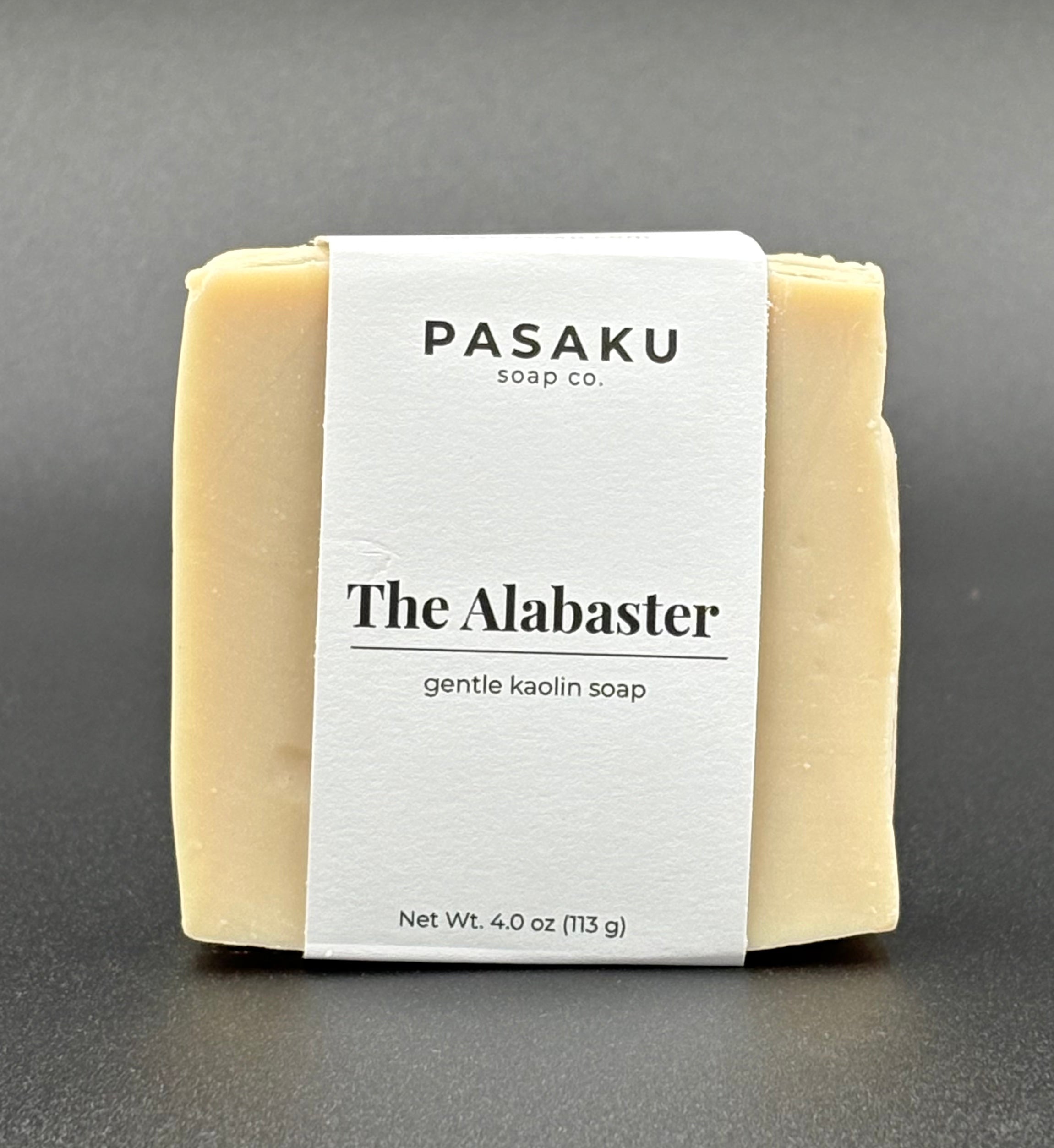
Once you have read the label, you can pick a bar that fits your skin. If you have sensitive skin and want to avoid fragrance, start with The Alabaster | Unscented Plant-Based Artisan Soap at $9.00. It is formulated with shea butter, olive oil, and white kaolin clay, and it is fragrance-free.
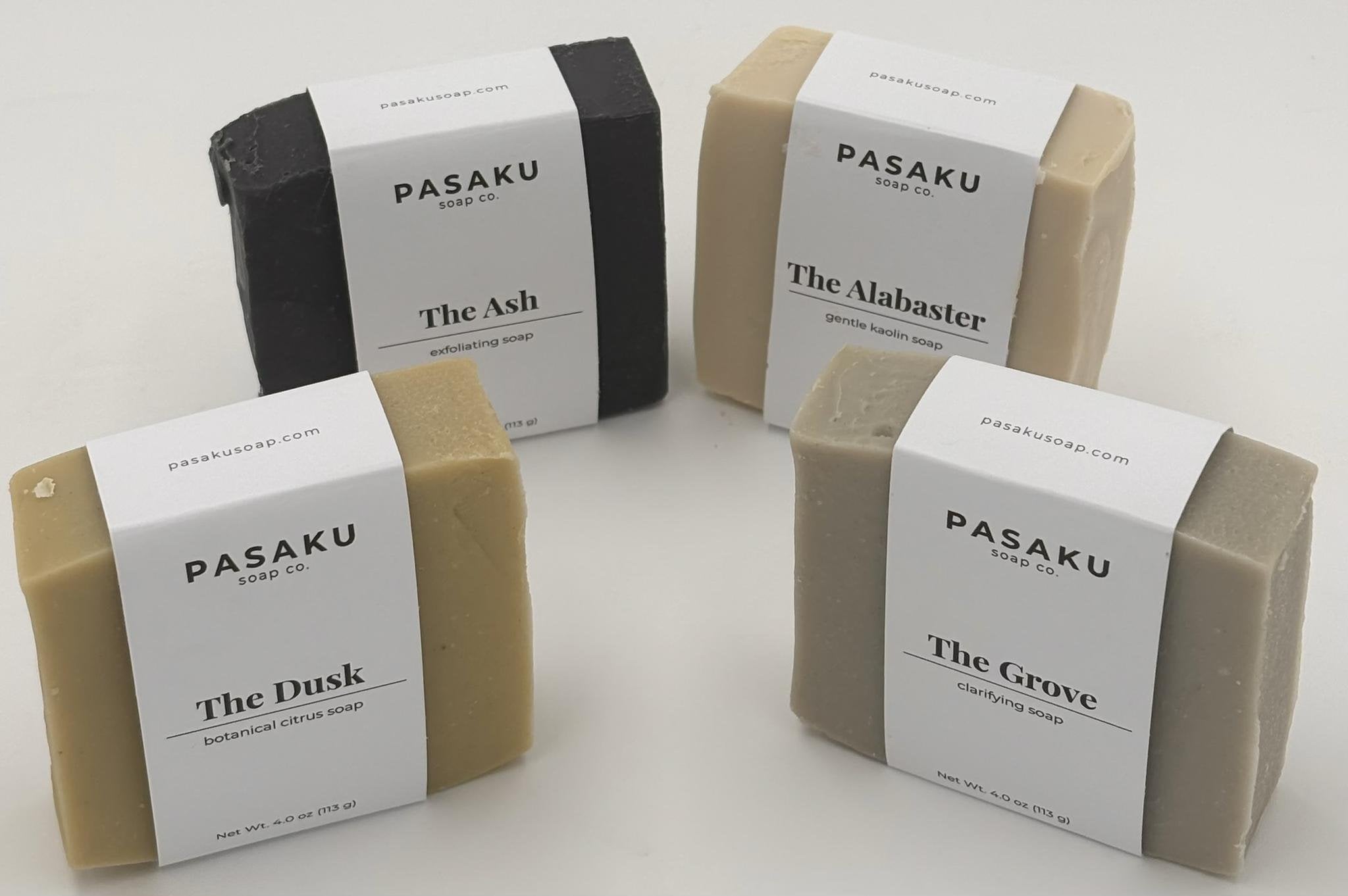
Want to compare ingredients for yourself? Each bar is hand-poured, so you can see how different oil blends feel side by side. You can select any three signature bars to build your own comparison set.
Frequently Asked Questions
What are considered plant-based oils?
Plant-based oils are fats and oils pressed, extracted or processed from plant parts such as seeds, nuts, kernels and fruit flesh. Common examples used in soap include olive oil, coconut oil, shea butter, sweet almond oil and avocado oil. Unlike essential oils, which are concentrated aromatic extracts used in small amounts, these oils are typically fatty and form the base of a bar. When checking a label, look for the specific plant name, such as olive fruit oil or sunflower seed oil, since those names tell you the source directly.
Is vegetable oil always plant-based?
Usually, yes, but the term is vague. Vegetable oil on a US label generally refers to a blend of plant oils, most often soybean, canola, corn or sunflower, and it does not tell you which ones are included. Because the blend can change between batches, the term alone does not confirm a specific source. If you need to know exactly what is in a soap, contact the maker and ask them to name each oil. A brand that is transparent about its oils will usually answer quickly.
Are essential oils and fragrance oils both plant-based?
Not necessarily. Essential oils are steam-distilled or cold-pressed from plant parts such as peel, flowers or leaves, so many are plant-derived. Fragrance oils are blended scent compounds that may be synthetic or only partly natural, and the label may not disclose which. Neither type is a base oil. In soap, both are added in small amounts for scent, so a fragrance-free bar with no added scent is the simplest choice for sensitive skin.
How can you identify plant-based oils on an ingredient label?
Start with the ingredient list, which in the US must be listed in descending order by weight. Look for named plant sources such as olive fruit oil, coconut oil or shea butter, which are clearly plant-derived. Be cautious with terms like fragrance or parfum, which can hide synthetic compounds, and with generic terms like vegetable oil. If the list is vague, check the company website or contact customer service to confirm each oil and its source before you buy.
